

Most people know what BDSM stands for (Bondage, Discipline, Dominance, Submission, Sadism, Masochism), but what it offers runs deeper than the acronym. It’s a lifestyle, a sexuality, an identity, and what it provides —things like devotion, service, healing, release, play, and permission—is why people seek it out.
The concept of kink is ancient history. It predates Jesus. Even before Christianity existed, the Spartans, Romans, and Egyptians used flogging for a variety of rituals —a rite of passage, a path to redemption, a way to connect to spirit. Aspects of BDSM have been ingrained in human history for millennia. Looking at our history, it’s easy to see the jump from forgive me father to spank me daddy.

Playgirl • October 2026.
According to Tashra (The Alternative Sexuality Health Research Alliance), research on kink has grown substantially since 2014, increasingly moving away from pathologizing kink and toward understanding its healing potential. This idea is known as curative kink. Since many of us carry early childhood experiences that shape our sense of self, sometimes feeding shame or low self-worth, kink can be a way to take back power. Some of the core tenets of BDSM, such as trust, honor, and respect can help heal earlier experiences of feeling shamed and dismissed. The negotiated relationship between D/s can also heal relational trauma.

A BDSM space is a place to practice accountability, to set boundaries, to be seen, and it does this through an explicit consent framework. This framework focuses on consent as allowing, receiving, giving, and taking, and it gives shape to a yes or no that’s always allowed to change. In BDSM, “no matter the play, whether it’s SSC (safe, sane and consensual), or RACK (risk aware consensual kink), consent is front and center, and it’s also non-negotiable,” explains Mistress Cyan, a professional dominatrix and owner of Sanctuary LAX.


Even with explicit consent, there are moments for mistakes to happen. There’s no way to avoid them in the complicated dance between power and intimacy, push and pull, desire and fear. In those moments, it’s how we repair that makes for healing. “A scene that wobbles, a moment where someone misreads a cue, that’s not a failure of the space. That’s the space doing its job,” says Pamela Madsen, the Founder and President of Back to the Body. “It gives people the chance to practice repair, out loud, in real time. Most of us never got taught how to mess up and come back together. Kink space, done well, is a rehearsal room for exactly that.”

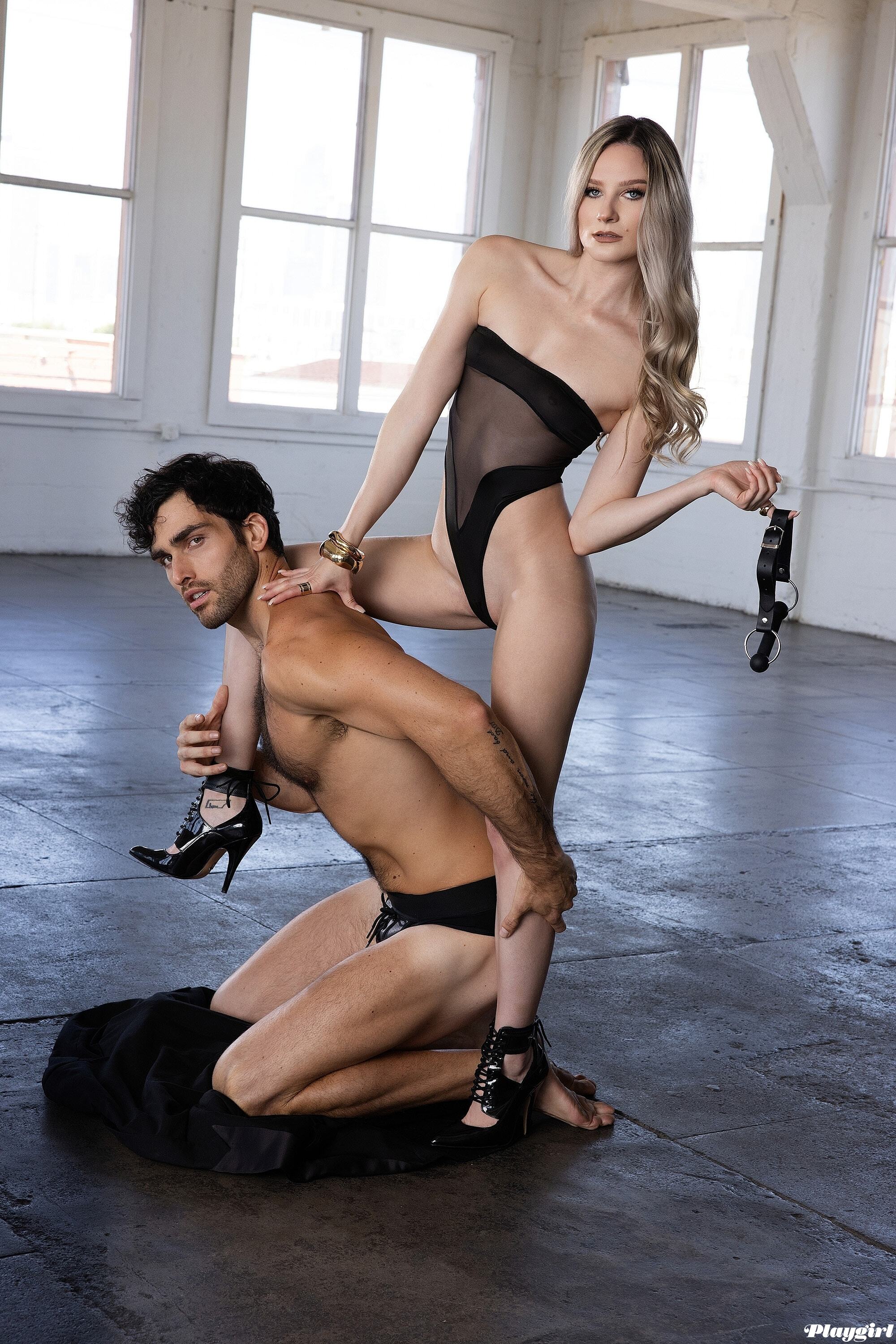
Explicit consent feeds autonomy by being thorough: naming limits, using safewords, checking in regularly. That negotiation is an act of authorship —confirmation that your preferences, limits, and desires matter. All of this can positively impact mental health, particularly around autonomy, relationships, personal growth, and self-acceptance.
A 2013 study by Wismeijer and van Assen found that BDSM participants reported higher subjective well-being than non-practitioners, and research found these participants were less neurotic, more conscientious, and had greater psychological and interpersonal strength and autonomy. Female participants in particular reported more confidence and less reliance on external validation.

“I think there is a real increase of confidence and a sense of self that the big conversations around boundaries, green/red signals, etc. facilitate,” says Stacey Leigh, a self-identified kinky person who currently explores a “bedroom only” kink dynamic with her partner. “I think there’s also something to the idea that D/s requires a tandem effort. Even if it looks like things are just passively happening to the sub, a successful scene requires constant engagement both ways, which can be really validating.”
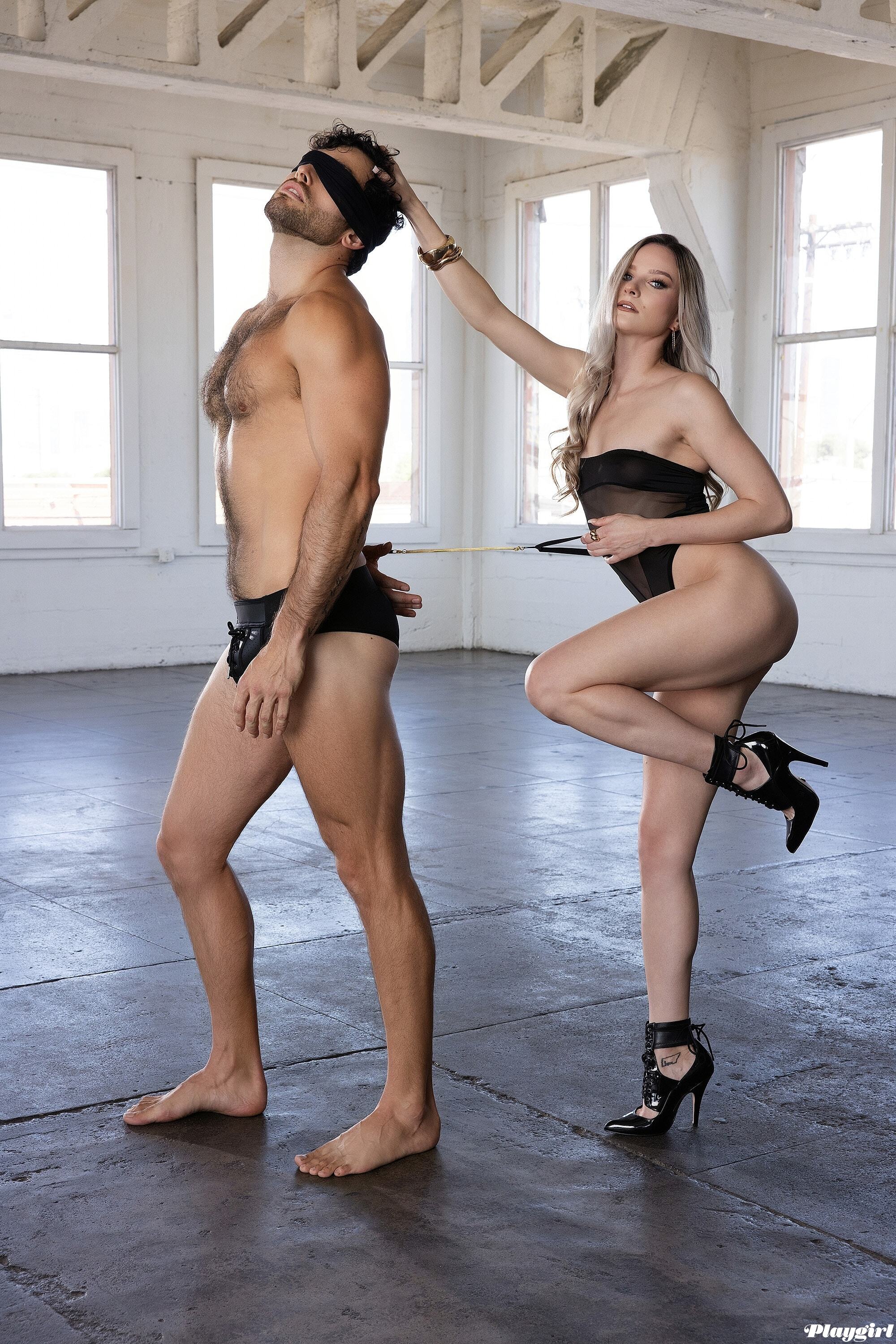

Acts of service is already one of the recognized love languages. The service itself can look more obvious coming from an “s-type” than from a dominant, but done well, both are in service to the other. “You can’t be a good dom, unless you know how to be a good sub.,” Madsen states. “You have to know what it feels like to hand someone your nervous system before you can be trusted to hold someone else’s.”
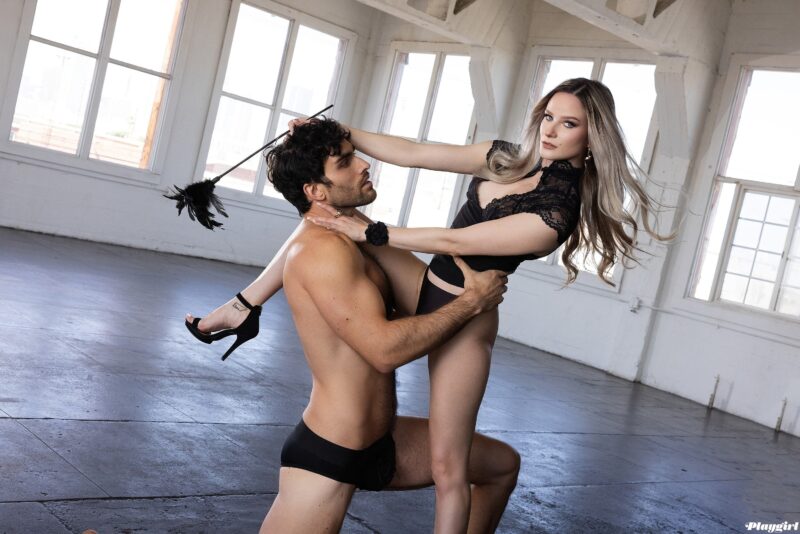
For a submissive, that surrender can also quiet the thinking brain, an end to rumination, a chance to refocus, a full-body exercise in trust. For a dominant, the role is less about authority than attunement: intuiting a partner’s needs, holding space for them to let go, and guiding them through that surrender requires knowing yourself as much as it requires reading someone else.


It’s also a form of play. The National Institute for Play holds that play is essential at every age — but adulting, the very definition of the term, tends to squash it down. Kink becomes one of the few places adults are expected to play, to find room to redefine themselves, create art, make scenes, and fall into a space built for, and by, them.

That kind of play can happen alone, with a partner, or inside a larger community. At a time when the world feels like it’s fraying, community is what holds people together, and for kinky people, that’s simply how it’s done. “We respect each other’s diversity and celebrate commonality, and instead of being quick to judge, we are quick to accept,” explains Mistress Cyan, who is also the Founder and Executive producer of DomCon. Whether it’s a play space, a con, a summit, a ball, a munch, or on FetLife, kinky people thrive in the company of others also exploring, without judgment. In a “don’t yuck my yum” environment, growth can be exponential.

Ultimately, it seems kink has a butterfly effect. Big or small, when one person finds the courage to name a desire out loud, to ask for what they need, or to give someone else permission to receive it, something shifts. Maybe it’s just for the two people in the room. Maybe it ripples out to a whole community learning, together, how to ask better questions and listen harder for the answers. Whatever the effect, kink is a space to spread those wings, and let the fluttering begin.
@tannergill77

Throughout the month of October, Playgirl‘s “Issue with Kink” peels back the layers of BDSM. We opened things up with the healing power of kinky play (Wallace), and now go deeper into consent, repair, and the butterfly effect. We sit down for an interview with Jayden Steele on the dom/sub dynamic and get firsthand accounts of getting tied down (Vox) and surrendering control (Moss). We take you further into a BDSM trance (Stuip) and end the month by dropping deeper into subspace (Tea). Plus: an excerpt from Sex in Public, an interview with Erika Lust, and a look at the complex power dynamic between Hollywood and BDSM (Yohannes).
More pictures and the backstage video, exclusively at PLAYGIRL+