One of the first cinematic depictions of sex writing I saw was Allison Janney in 10 Things I Hate About You. Ms. Perky is happily tapping at her laptop during her day job as a guidance counselor, clearly meant to fund her erotic literature habit. When tasked to meet with students, she’s normally writing. Kat Stafford arrives for a meeting while Ms. Perky is busy parsing the sexiness of the word “turgid.” Kat brightly recommends “tumescent” as an alternative. Falling victim to the lure of a shiny new word, Ms. Perky takes the note.
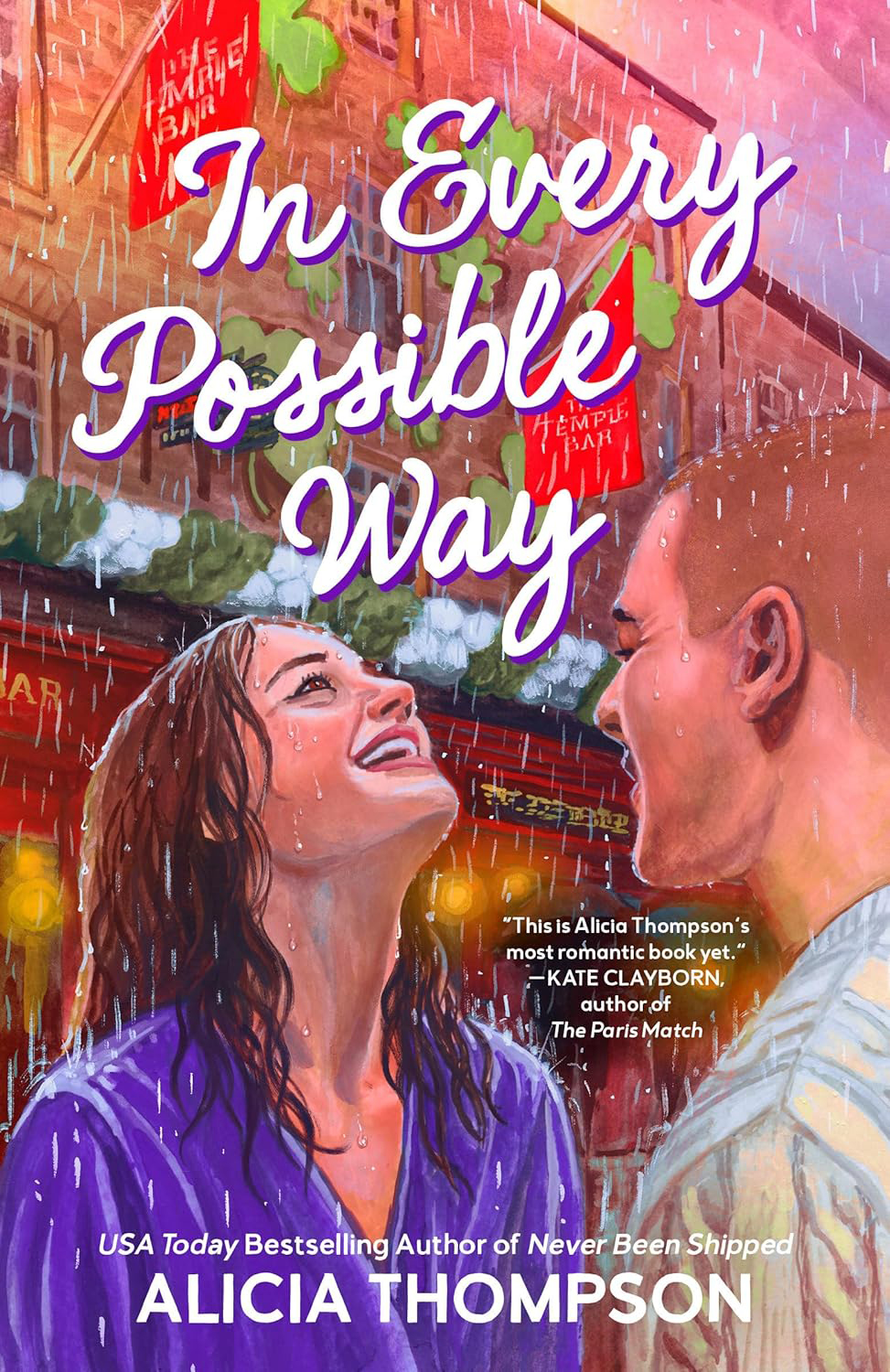
Romance novelists I spoke with about sex writing all noted this word issue as a key consideration. Like Ms. Perky, Alicia Thompson (author of In Every Possible Way) told Playgirl she worries about repetition: “I get conscious about not saying hips again. How many more ways can you say that?”
However, writing a truly erotic sex scene is so much more than just word choice. Sex writing is hard. It requires logistical mastery, emotional fluency, and a lack of shame. Even outside of romance novels, sex scenes need to be believable to avoid feel like a jarring detour. Whether characters in a novel are having good sex, bad sex, or something in between, the scene reveals what they mean to each other. To get to the bottom of literary sex versus romantic sex, I dove into books, spoke to some authors, and put away the thesaurus.
Bad Yet Literary Sex
Like any scene meant to stir emotion, sex scenes need a balanced amount of detail. Bad sex scenes include odd or off-putting details. The British magazine Literary Review used to give out a Bad Sex in Fiction award from 1993 to 2019. One of the final co-winners in 2019 was Didier Decoin’s literary fiction novel The Office of Gardens and Ponds, with this excerpt as the main offender: “With the fondling, Katsuro’s penis and testicles became one single mound that rolled around beneath the grip of her hand. Miyuki felt as though she was manipulating a small monkey that was curling up its paws.”
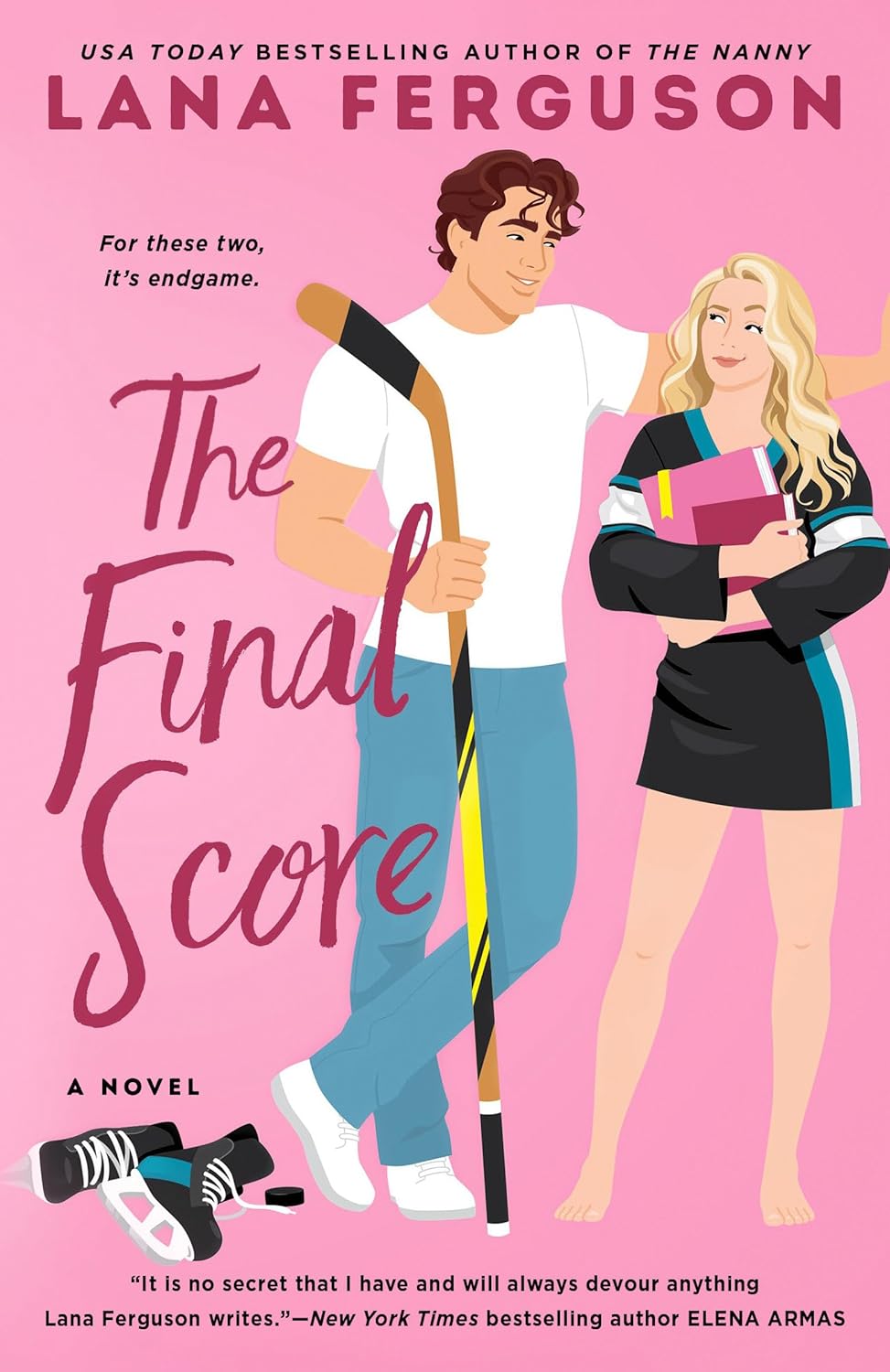
Lana Ferguson, beloved spicy romance novelist and author of The Final Score, told Playgirl that literary sex scenes are more “perfunctory.” Bad sex scenes, on the other hand, are more obvious “when one of the partners doesn’t think about the other person’s pleasure.” Consider one of the more discussion-starting novels of the past few years: Half His Age by Jeanette McCurdy.
-
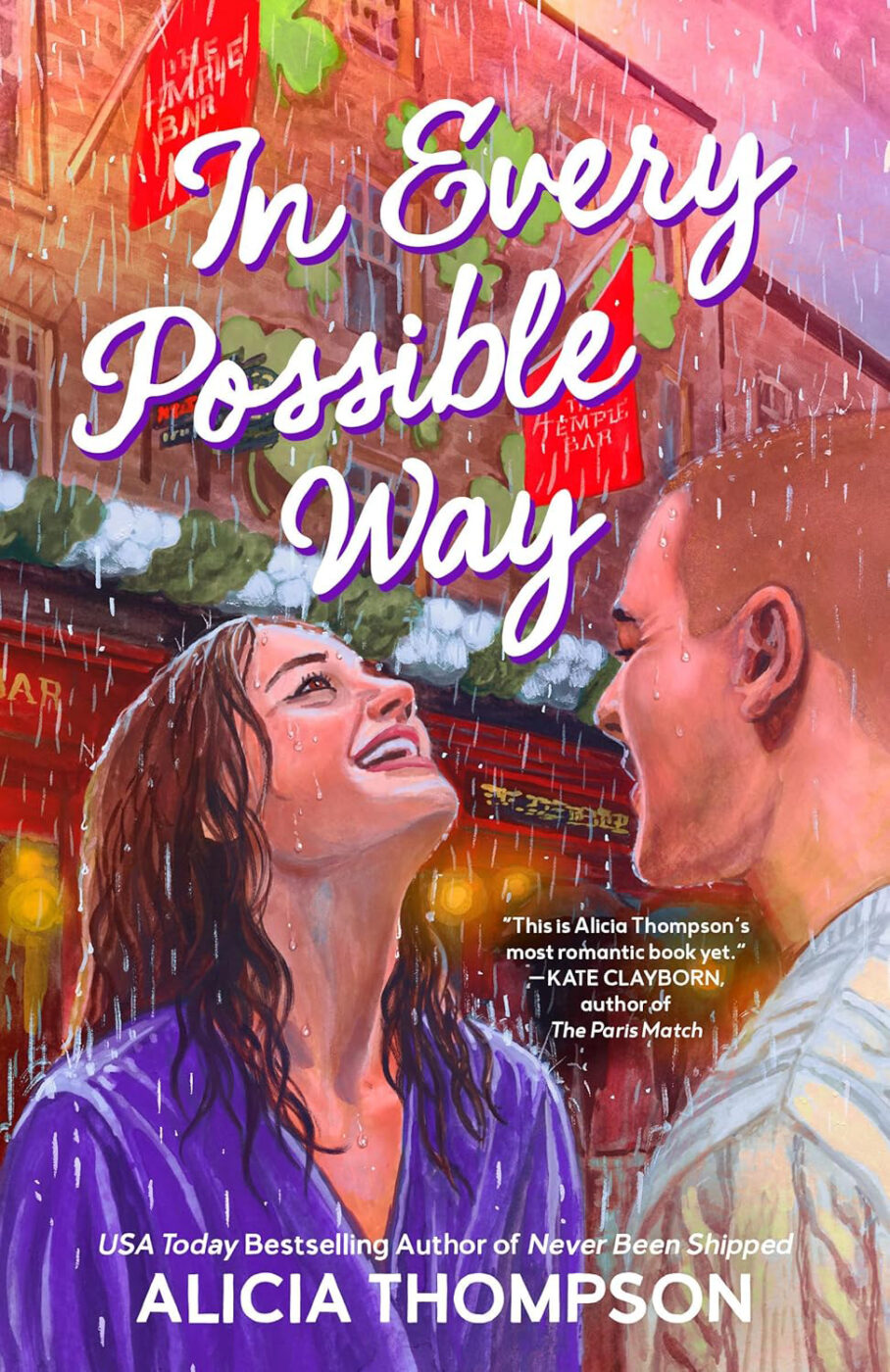
- ‘In Every Possible Way’
-
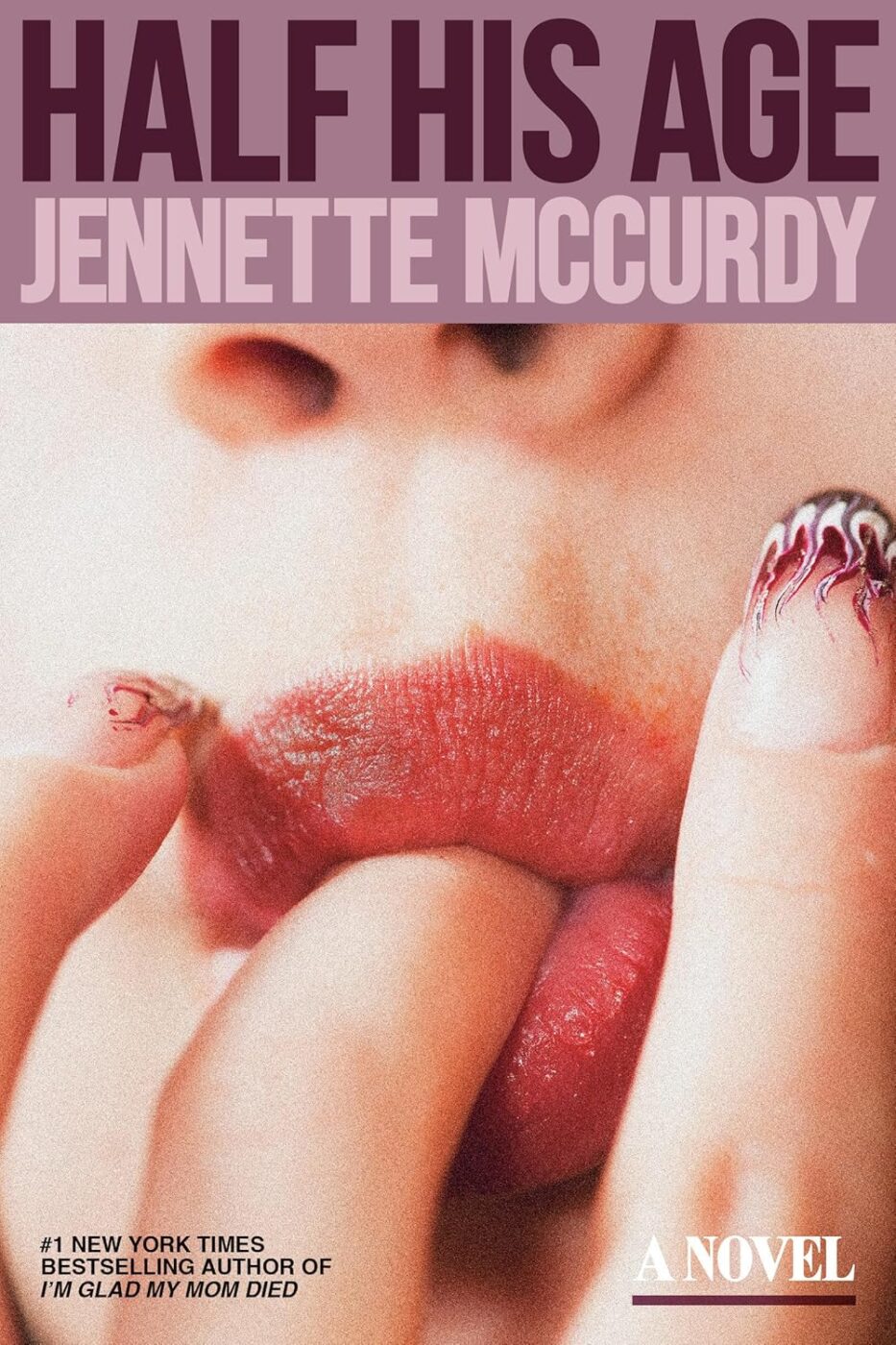
- ‘Half His Age’
McCurdy’s debut novel invites immediate controversy and is full of unsatisfying sex between the teenage protagonist and her high school English teacher. The cover includes a close-up of open lips wrapped around a polished finger. It’s a clear reference to one of the famous covers of Lolita by Vladimir Nabokov (a close-up of a young girl’s face, lips in focus). But the text reflects none of Nabokov’s obsessively florid prose.
Whereas Nabokov used romantic, swirling language to depict Humbert Humbert’s disgusting obsession with Dolores, McCurdy sticks to short sentences from the perspective of the teenage protagonist. She still includes details, but they’re unsettling. While having sex in Mr. Korgy’s car, Waldo notices that her knees are digging into Cheerio crumbs left behind by his child. The scenes also lack passion: “I didn’t feel anything, but he seems to have. And maybe that’s enough. One for two. Maybe it doesn’t matter that my body feels cold and limp against his.”
How Do We Write Good Sex?
On the romance side of the block, there was an age-gap relationship novel that made waves last year: Problematic Summer Romance by Ali Hazelwood. It provides an effective looking glass to McCurdy’s work. Every sex scene between Maya (23) and Connor (38) is entirely focused on Maya’s pleasure. Ensconced in a Sicilian villa for the week of her brother’s wedding, Maya wants Connor. But he wants to ensure he’s not taking advantage, so their sexual encounters are almost entirely focused on her. He makes her come at least four times before even kissing her. The taboo of the age gap was part of the appeal, grabbing the attention of readers who felt this would be their flavor of eroticism.
-
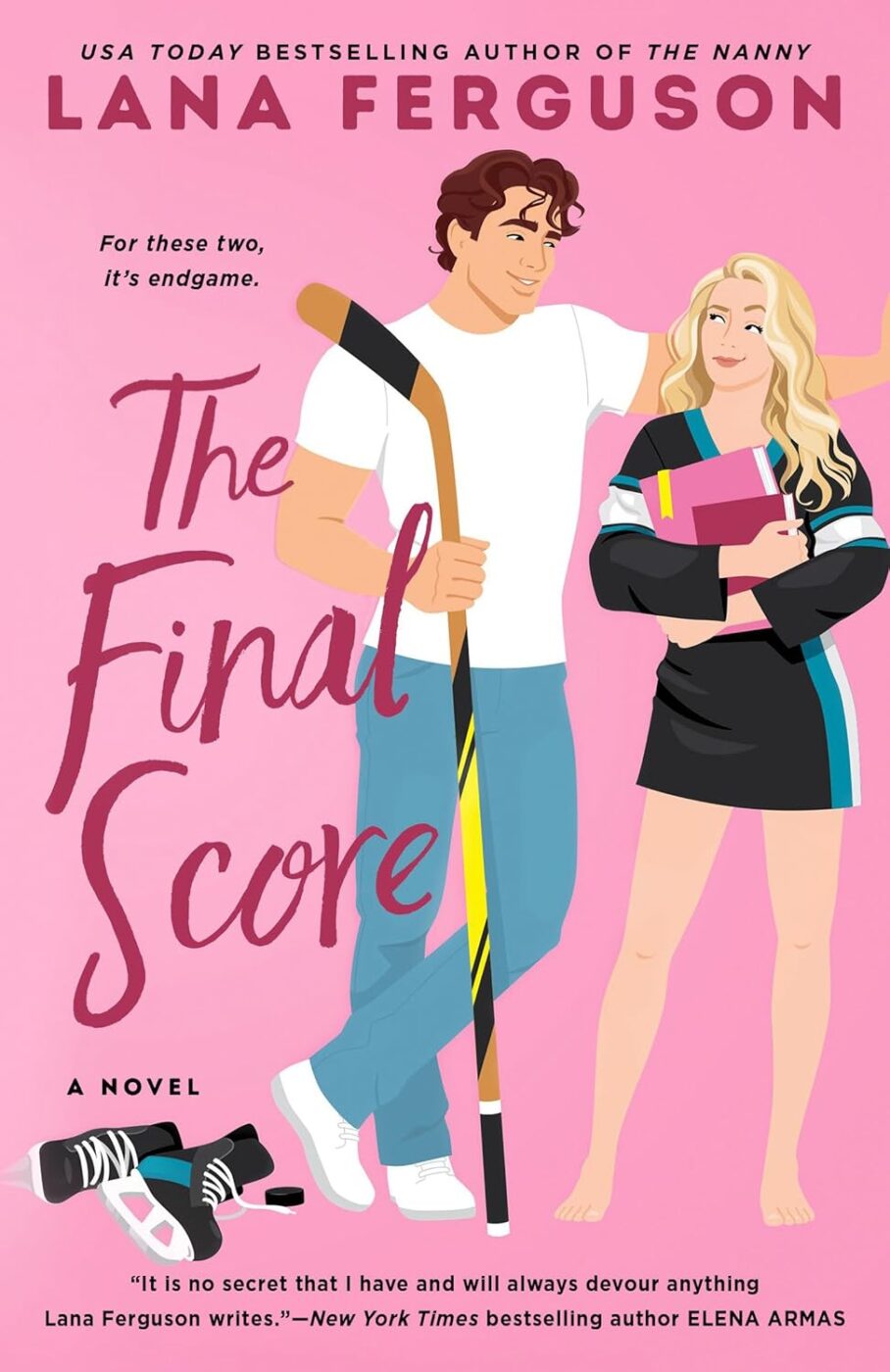
- ‘The Final Score’
-
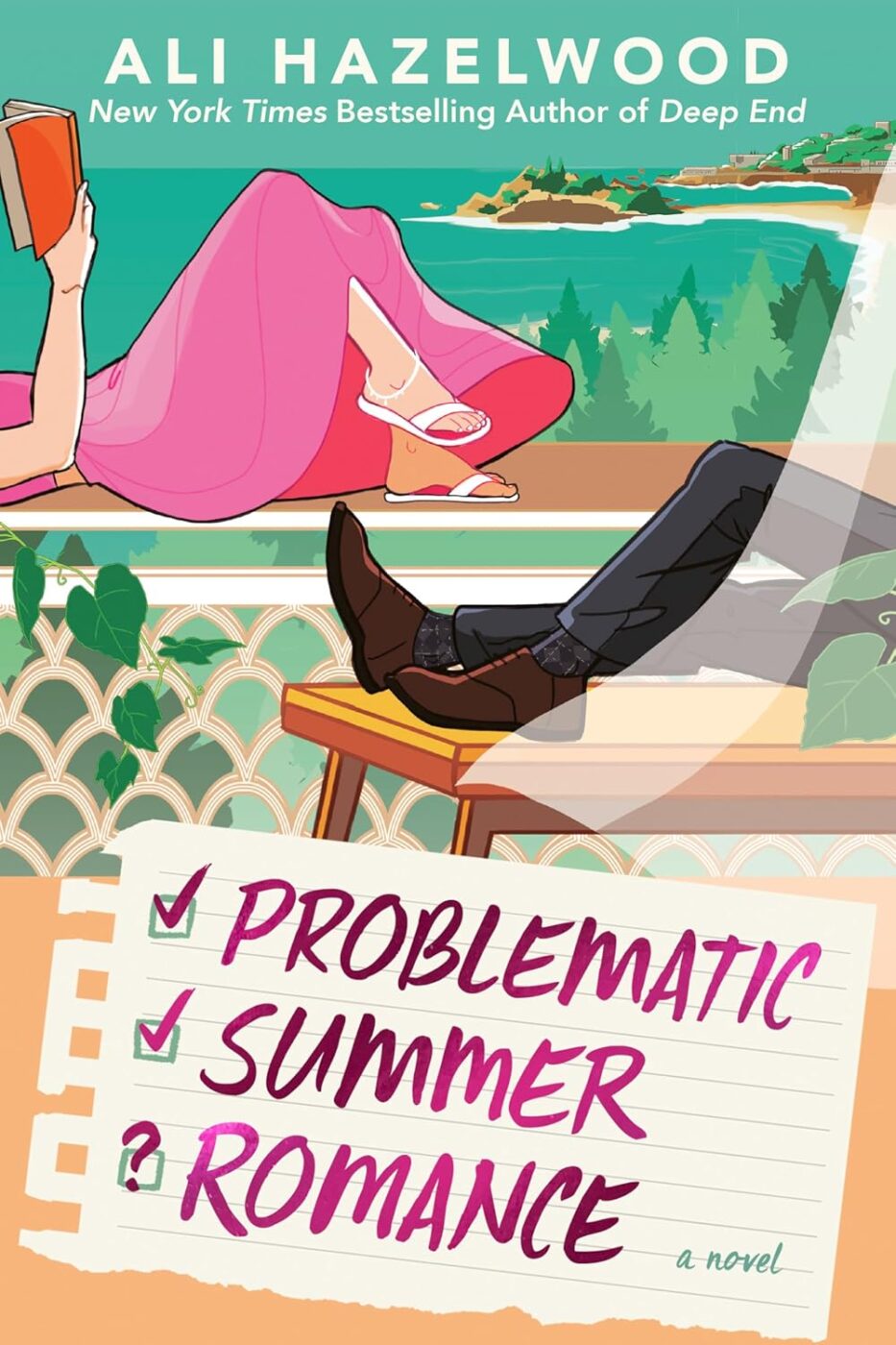
- ‘Problematic Summer Romance’
Women, as the main consumers of romance, want to feel like their erotic desires are prioritized. Lana Ferguson reiterated that her favorite sex scenes “actually focus directly on the woman, personalized to her and how good she feels.” With the constant misogyny swirling around the Internet, novels focused on women’s pleasure still feel like they’re sticking it to the patriarchy.
For romance novels, the foreplay for a sex scene is extremely important. Thompson noted that she focuses on the way the couple notices small moments that come out later in sex. Attention to non-sexual characteristics like hair color or freckles is part of the buildup.
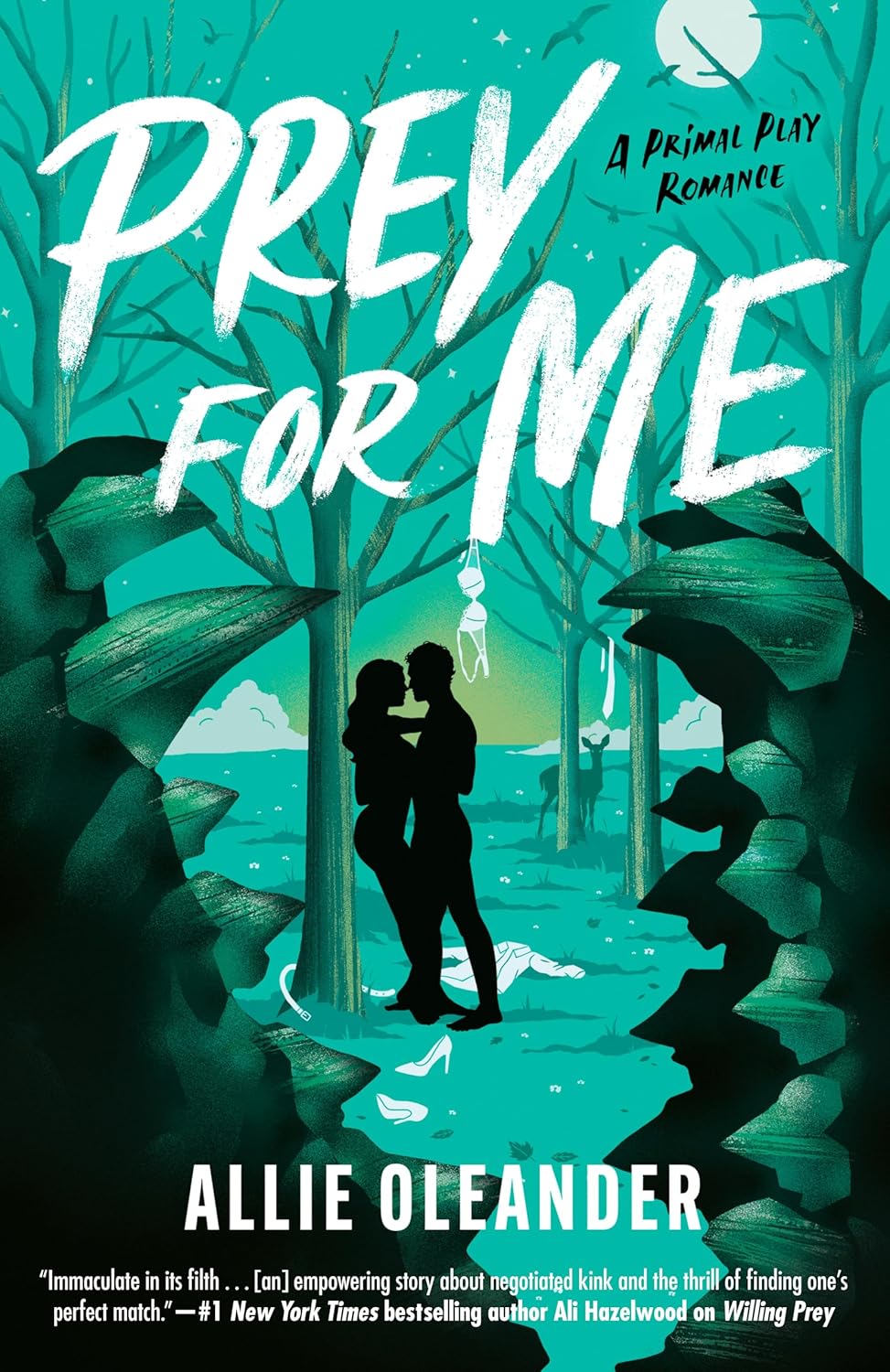
Allie Oleander, author of Prey for Me, told Playgirl that romantic sex versus erotic sex require different focuses. For a romantic scene, she shows sensory details rooted in emotional closeness, like feeling a partner’s heart beating. For an erotic scene, she takes a different view: “I zoom in on the physical act. The sensory details I include will be more explicit—how wet, how hard, how much they ache, and so on. The emotional component is still there, but the focus is on the physical desire first.”
Keeping It Spicy
Like a fight scene or a dance scene, there’s choreography to consider for a sex scene. Lana Ferguson explained her process for keeping track: “I scour over a sex scene to remember where his hands were and where her legs were. It’s easy to lose track.” This is where editors and copyeditors step in and can help with the details that you as the author can miss.
To write good, erotic sex scenes, specificity is key. Not just in the choreography, but in the descriptions. If a writer includes a scene with forced orgasm and overstimulation, they don’t have to personally test these acts, but it needs to feel right.
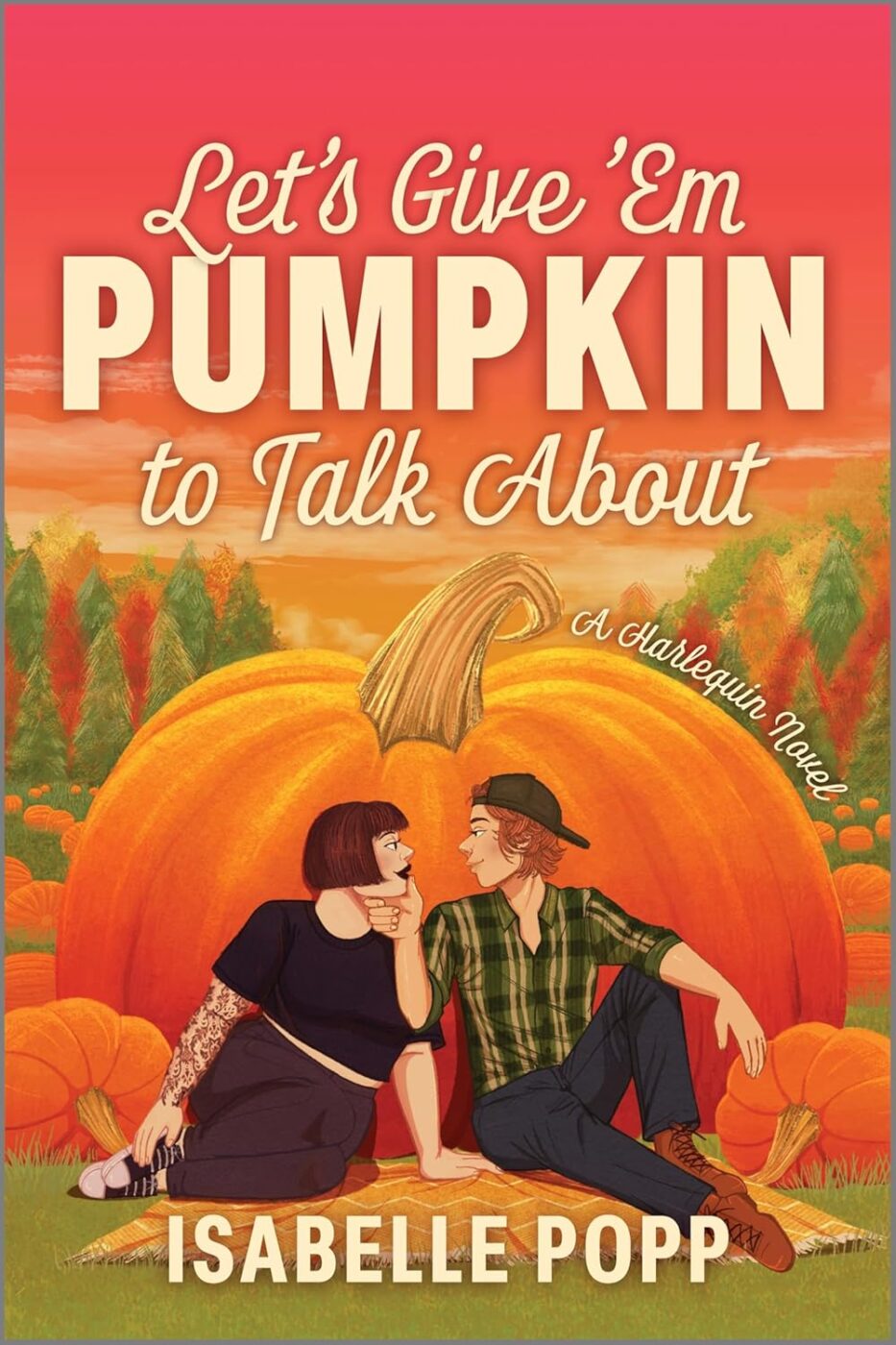
Isabelle Popp, author of Let’s Give ‘Em Pumpkin to Talk About, would prefer a writer get creative with their sex scenes, and possibly turn off some readers, to honor the storytelling: “I can love a romance novel even if the sex scenes didn’t do it for me, though I also accept it might be a dealbreaker for others. What I like to read in sex scenes, and romance writ large, is sex that feels specific, embodied, and in character.”
-
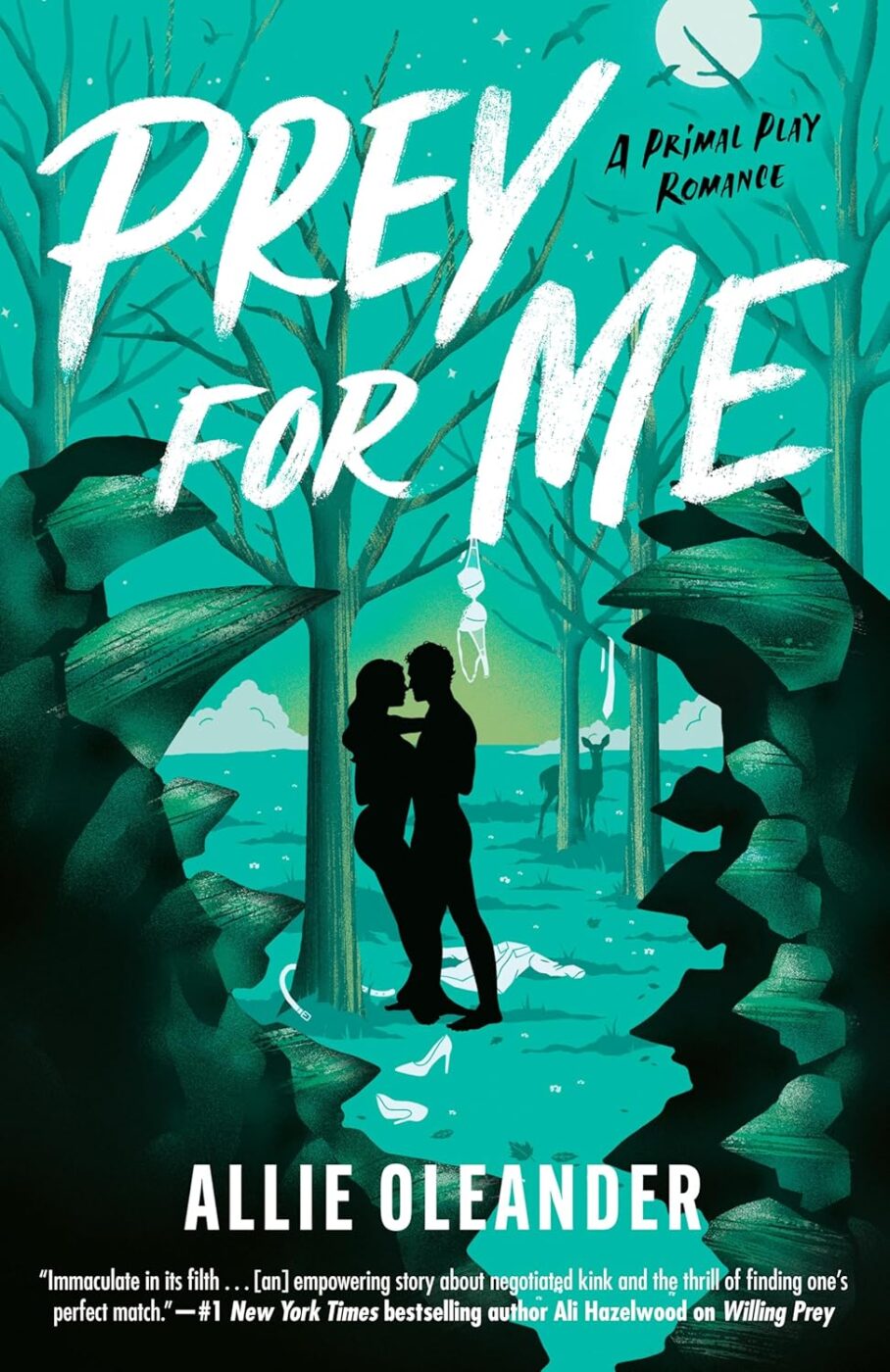
- ‘Prey for Me’
-
- ‘Lets Give ‘Em Pumpkin to Talk About’
For all the authors I spoke to, character specifics were a theme. Zeroing in on the pleasure, as well as the connection between the two characters, will give the right feeling. If spanking is part of the sex play, as readers we want to know that the partners trust each other and we’re learning something about the characters through the act. If two characters are having sex, what about them and their personalities are coming into the sex? There’s a persistent problem in sex scenes where you get the sense that the action pauses for sex to happen. If the main couple loves to banter, would they do that in the bedroom?
The more a romance writer writes, the more they might have to worry about repetition across books. Editors are helpful in ensuring that a first-act cunnilingus scene is distinct from the third-act oner, while writers on their own keep a mental rolodex of their sex scenes. At the same time, all writers have sex acts they enjoy and want to depict regularly. Romance readers gravitate towards writers who let them indulge in fantasies and activate their erotic imagination.
More, Better Sex for All
In assessing the landscape of male/female romance pairings, there are few hard-and-fast rules in terms of what to include. The main aim for romance and erotica writers is to make the sex feel earned. Rather than two bodies rutting against each other, writers who write good sex make you care about the chemistry and the resolution of the erotic tension between the characters.
The tide is turning on literary sex scenes as well. The success of All Fours by Miranda July, largely about the unnamed main character’s pursuit of pleasure, reveals an interest in erotic imagination in the reading public. In an article in the New York Times, writer Alyson Kruger identified a “whisper network, women who have read All Fours are taking a page out of the main character’s playbook and posing these same questions to one another, opening up about their hidden fantasies and frustrations.” However, the intense limerence that the main character feels in All Fours is ultimately unrequited. She finds pleasure in other ways, but the pleasure-seeking reads of July’s work would chart the best path forward through exploring romance novels.
The ever-growing volume of romance novels means you can choose your own adventure, especially when it comes to sex scenes. Book lists of “spicy” titles, Goodreads tags, and even Archive of Our Own are proclamations of desire. There is a lid for every pot.