Along with the primary talents that shape the destinies of Broadway performers —singing chops, lightness of limb, deft memorization skills— there are subtler arts which have more to do with whether a star will achieve lasting success or fade away. In addition to undeniable stage presence and vocal versatility, Sydney James Harcourt, currently starring in Cats: The Jellicle Ball, possesses a singularly enviable skill: A nose for anticipating hits before they happen.
Harcourt is perhaps best known as one of the original cast members of Hamilton, the world-conquering musical remix of the story of America’s founding fathers that’s grossed over $1 billion since its 2016 debut. The concept confused many at the outset, but what seemed to others like a long shot drew him in like a moth to a flame.
“Hearing that music, it was like the dream that I was dreaming for Broadway coming true,” Harcourt told Playgirl. “I had felt that in its heyday, Broadway was setting the standard of what entertainment was, and for me, Hamilton just felt like, ‘Oh, whoa. We’re here. We’ve reached the future now. There’s nothing more pop than Hamilton. I was like, ‘This is a no brainer.’ And to me, it’s kind of crazy how people couldn’t see that.”
Now, Harcourt’s instincts have led him to The Jellice Ball —a vivid, historically rich and unapologetically queer re-imagining of Andrew Lloyd Webber’s Cats, one of the most culturally ubiquitous theatrical works of the 20th century. You know Cats, even if you have no idea what it’s about. For the uninitiated: a wayward clowder of fanciful felines engage in a dance-off to determine which among their number gets to be reincarnated.
In the new production, which boasts a murderer’s row of high-profile producers that includes Cynthia Erivo, Lena Waithe and celebrity stylist Law Roach, the whims and tribulations of the Cats play out in a setting inspired by the real-life, larger-than-life queer Harlem ball scene. It’s a combination of mediums that makes almost preternatural sense, and the results are explosive, emotional and entirely too much fun.
Harcourt plays Rum Tum Tugger —a preening big man on campus who nonetheless radiates warmth and good humor. Playgirl caught up with the Broadway star the morning after the first of many performances of Jellicle Ball’s inaugural run.
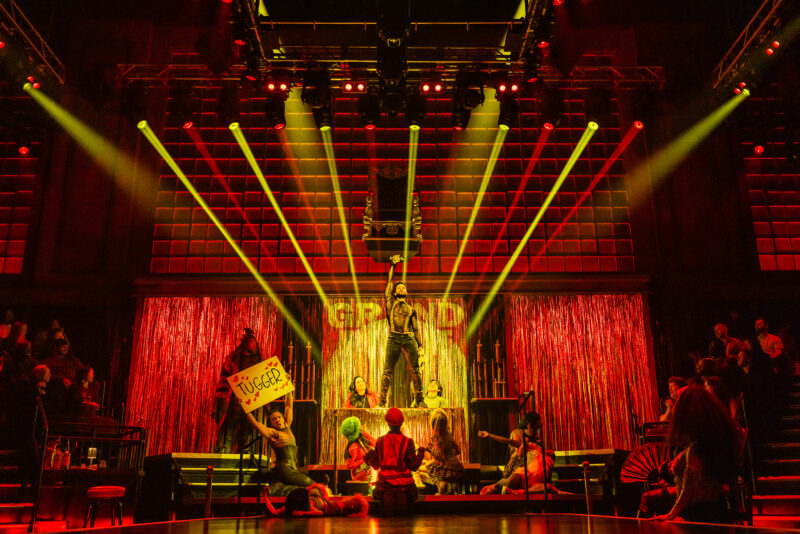
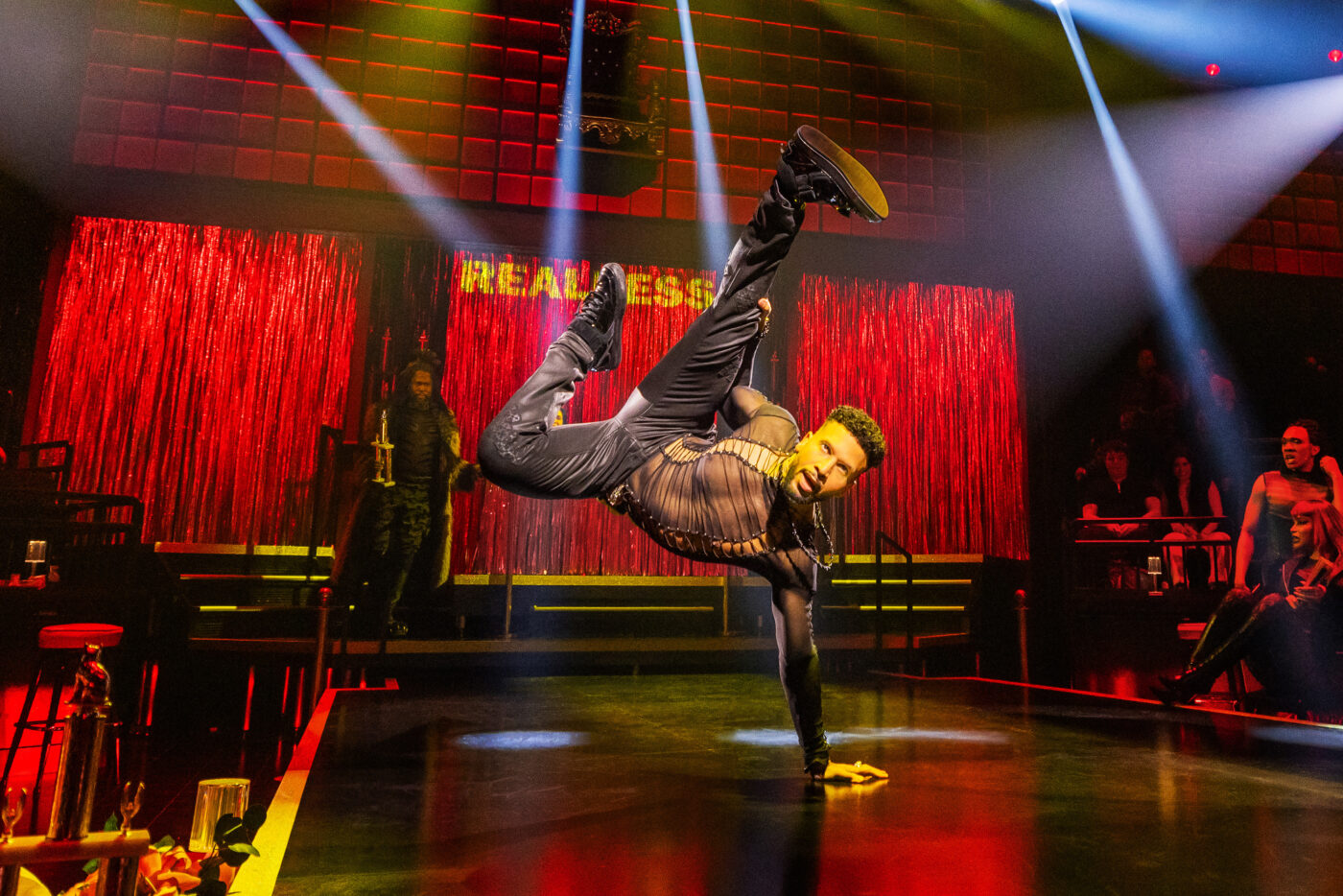
‘Cats: The Jellicle Ball’ on Broadway • Photo: Matthew Murphy.
How did you get involved with the production?
I’d gotten a call from the casting agent Victor Vasquez, I believe. He said, ‘We have an audition for you, and it’s for Cats, but hear me out. It’s a re-imagining of Cats and they’re setting it in the world of Harlem ballroom.’ That immediately had my attention. My agents know that I love ballroom, and that I’m a club kid and a club head. I’m interested in all things that are cutting edge in musical theater; things that push the genre forward. I have found early on, when I moved here, that being mixed race kind of has you between worlds, since writers generally write in sort of racial stereotypes to tell stories of sort of Americana; which has a lot to do with race, but people don’t really write mixed characters necessarily in the popular genre. So, I have found that things that are kind of counterculture, or not the usual retelling of stories we’ve heard, really fit me better, and I have a better opportunity to be cast. So, when you ask, how did I get involved with this production? In a lot of ways, I believe that you manifest the things for yourself in your life that you fill yourself up with in your life. And I have loved ballroom and voguing really since I moved here. I dropped out of school, and as soon as I got here, I was going to the clubs. I’d never been immersed in gay culture in Detroit, and so I was going to the clubs in New York City at least four nights a week.
I have been obsessed with for 15 years, and during the pandemic I binged all of Legendary on HBO. So, when I got to that audition, and I saw [co-choreographers] Arturo Lyons and Omari Wiles sitting behind the desk, I gagged. Like, I was starstruck.
And I knew then that if we could bring the production value that I saw them execute on Legendary to the Broadway stage, that it would be like nothing the Great White Way has ever seen. And I had that same feeling, the exact same feeling and premonition when I was in the workshop of Hamilton.
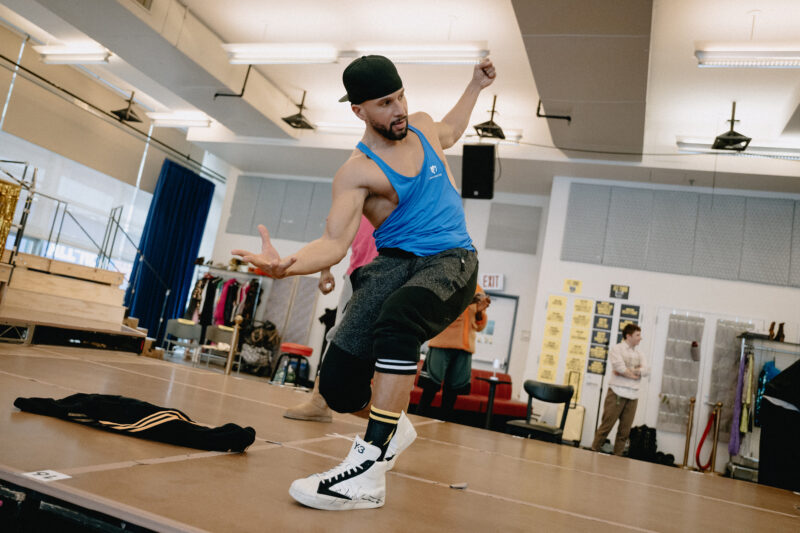
Sydney James Harcourt • Photo: Andy Henderson.
Tell me a bit about your character.
Gene Kelly [in Singin’ in the Rain] is my masculine archetype of realness, and that brand of Tugger realness in particular. When I first heard that Tugger is like, the sexiest cat in the world, I just felt a little intimidated by needing to go out on stage and be the sexiest cat in the world. Growing up, certainly I was awkward. I was covered in acne and I was overweight for a lot of my school years. I didn’t grow up feeling like, ‘Yeah, you walk into school and like, you’re that guy.’ So, I was considering: How do you make that accessible? How do you make somebody who everybody finds super attractive also somebody that you like, and not the type of person that you’re going to avoid? And I realized that it is this; this Gene Kelly archetype of this very handsome, very jocular guy, but he’s also sweet at his core, ready with a smile and disarming with humor.
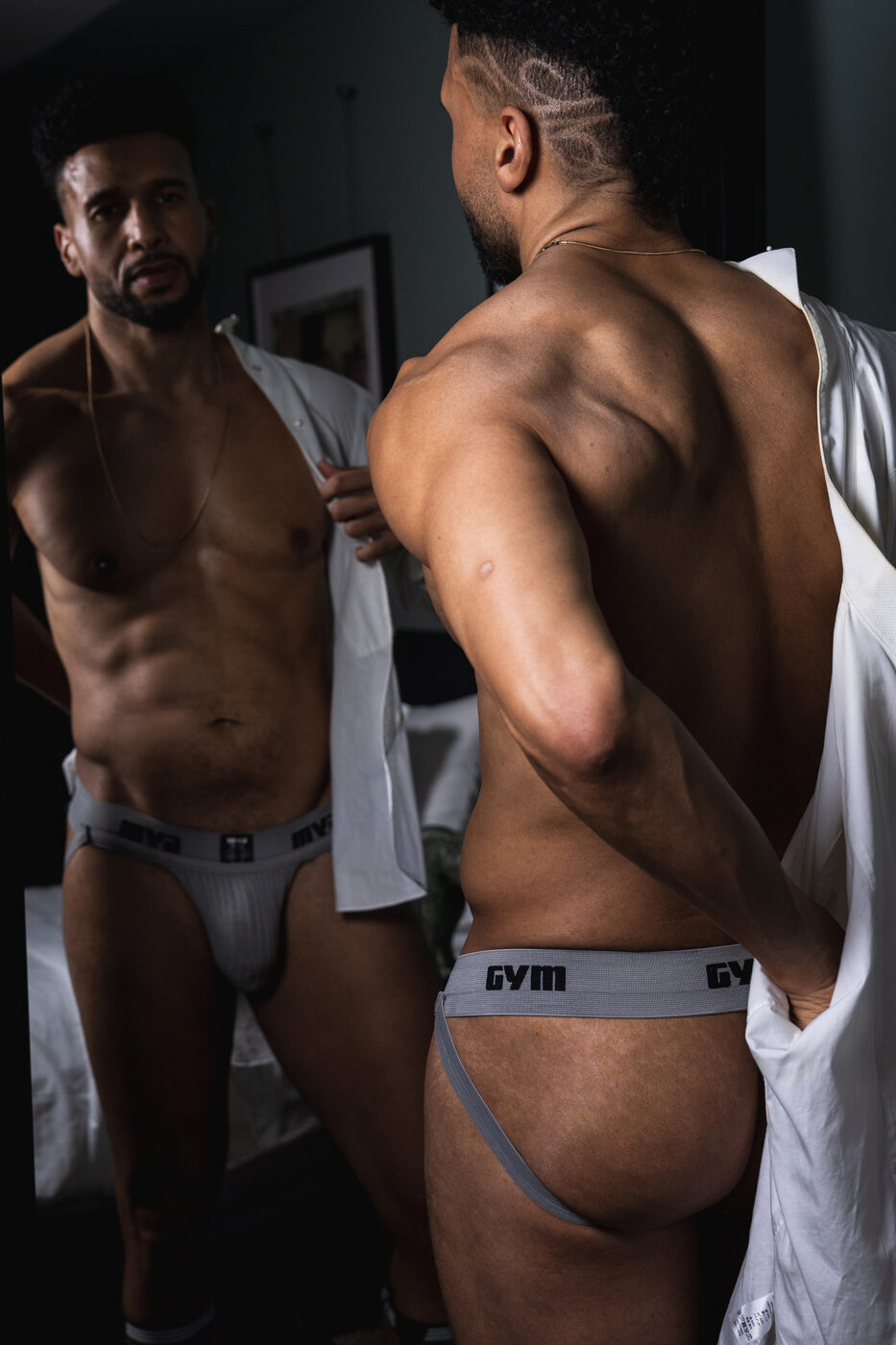
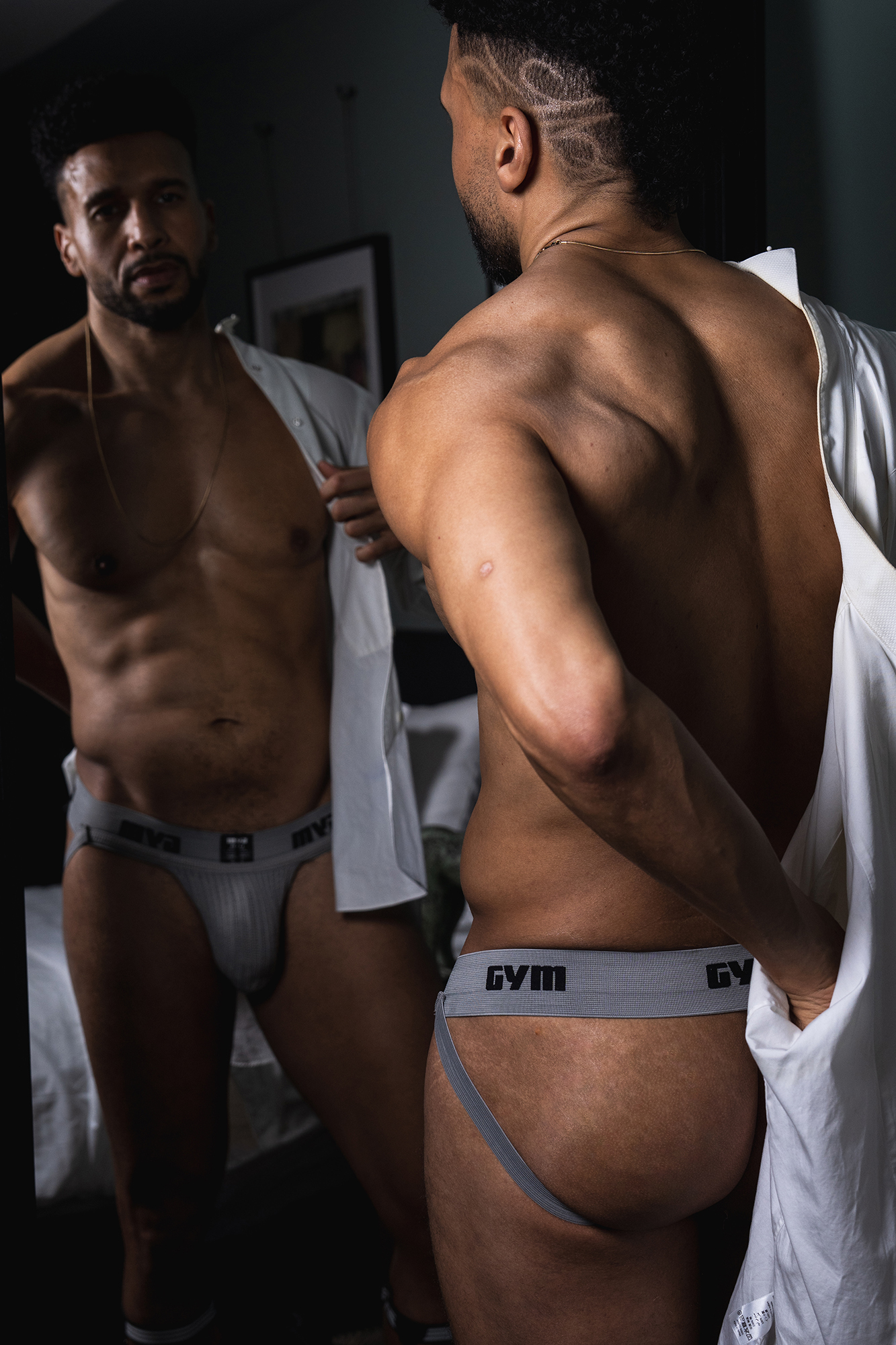
Besides that, from the day I booked the workshop in 2023, I knew that I was going to be on a major training regimen because back then… Even then, before we had started the first day of rehearsal, I knew this would be on Broadway, and so I saw the long game of, I’ve gotta start now. I’ll get the physical together, I’ll make it that thing that on the outside resembles the archetype of what a human version of Rum Tum Tugger needs to be.
-
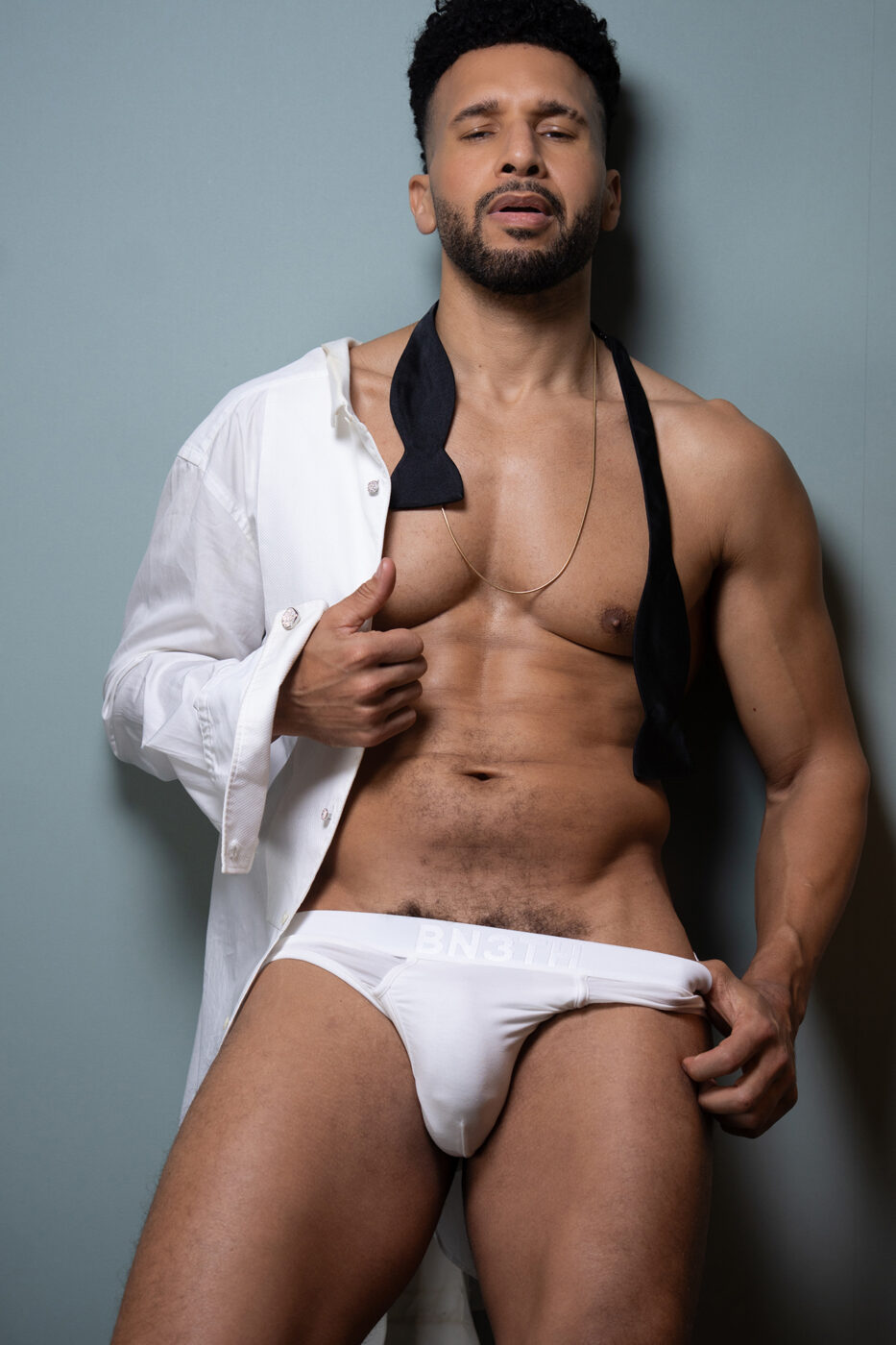
- Sydney James Harcourt • Photo: Sekou Luke.
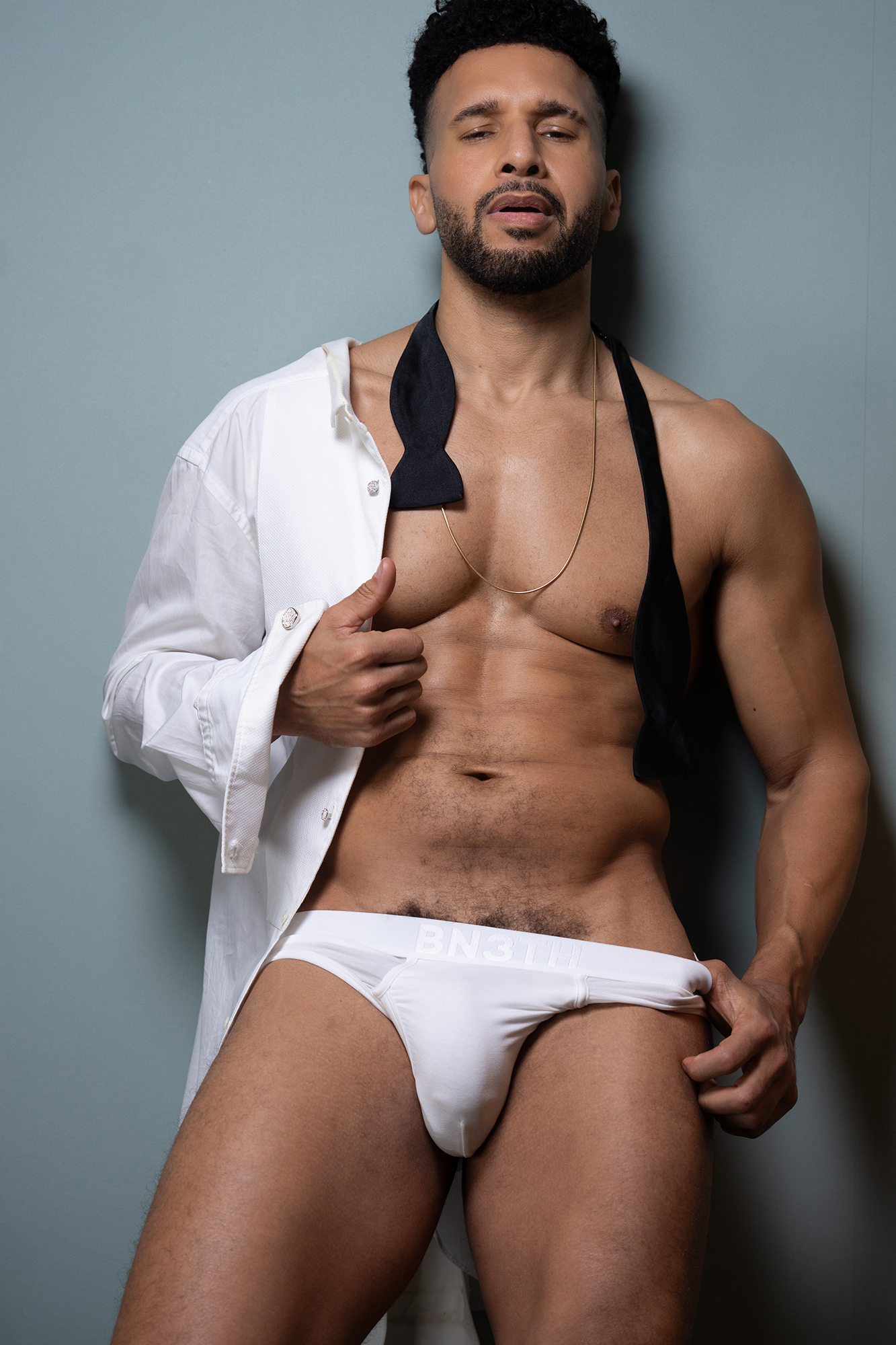
-
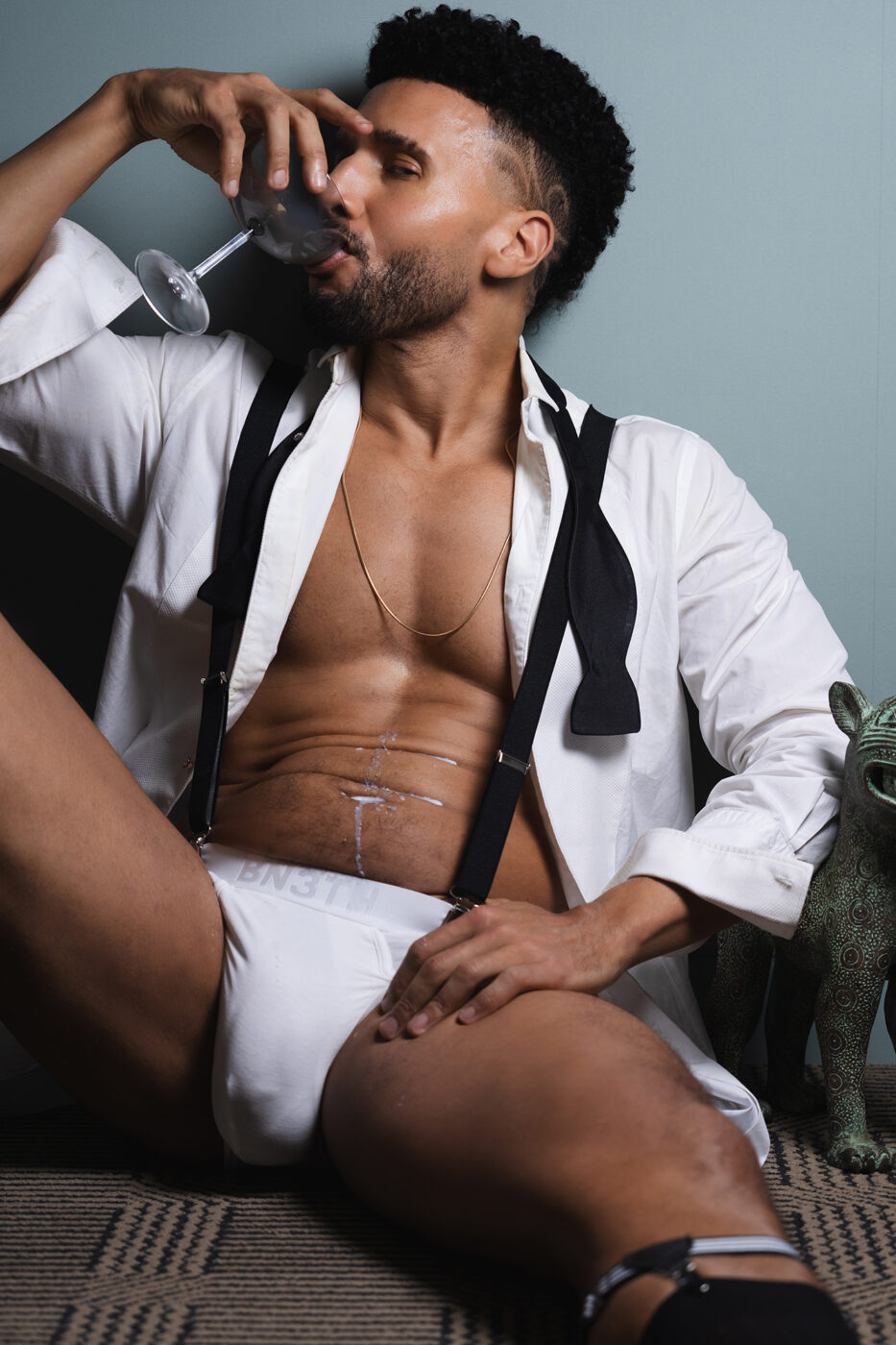
- Sydney James Harcourt • Photo: Sekou Luke.
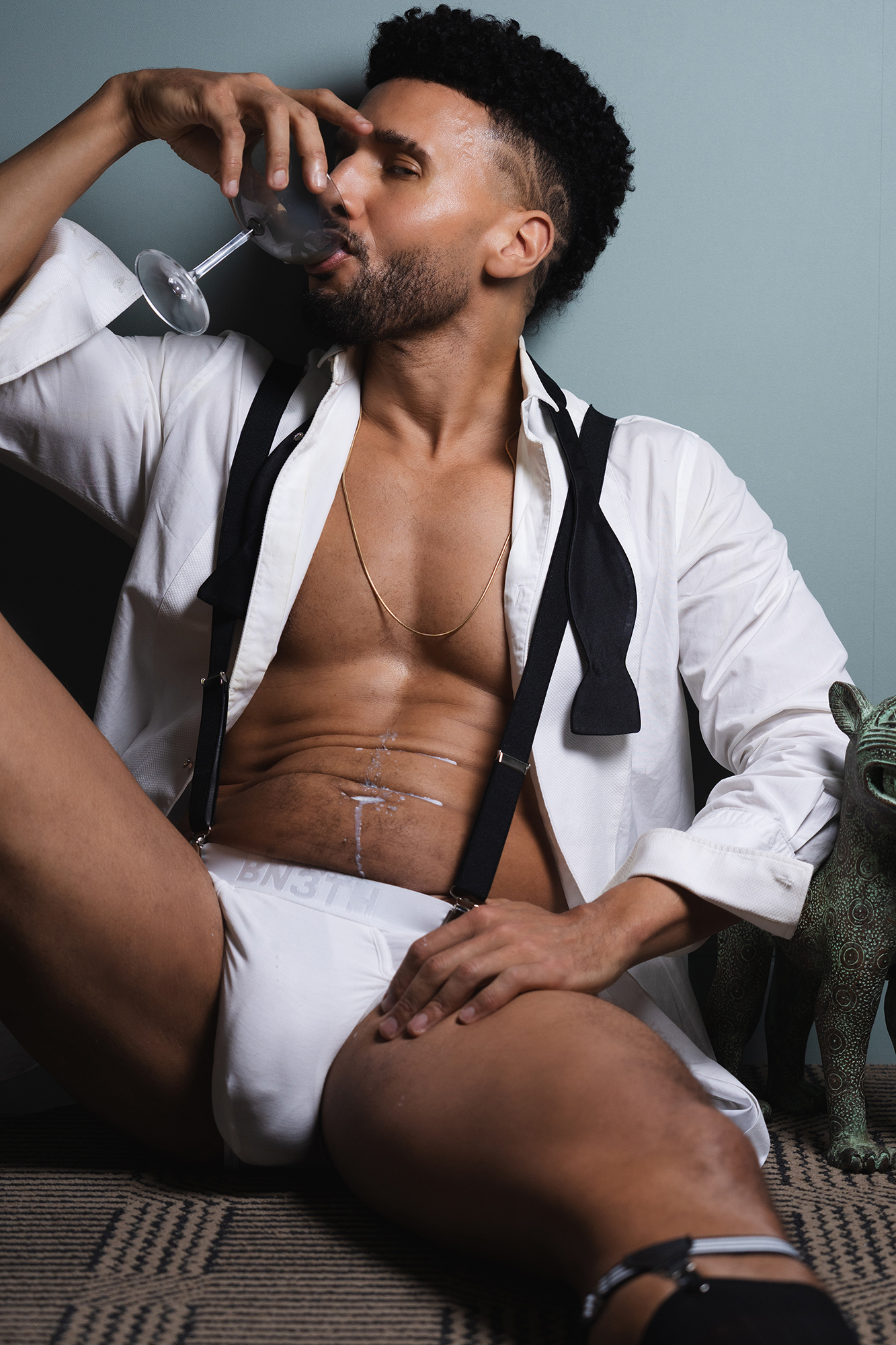
What I noticed in your interpretation was your warmth with everyone. The other characters are fawning over you, sure, but it really just feels like you’re friends with all the other characters on stage.
My Tugger, I don’t have to go out there and push. I cut like half of the things that I was doing in the number, to just have ease and, I mean, there’s a lot of things in that Rum Tum Tugger number, and I was doing twice as much. I had my phone out and like texting somebody and turning and doing this and that. But it’s just nice and easy, you know? He’s the kind of guy you can trust, who’s got your back. Yeah. And just happens to be somebody that people think is attractive.
What’s the element of ballroom that’s made it to the theater that you enjoy the most?
The wild exuberance with which you are allowed to respond in any given moment. We free our audience right at the beginning of the show with [Junior LaBeija’s] statement: ‘Now, I know you traditional Broadway kitties are used to sitting quietly in your seats, but this is a ball, darling.’ That gives everyone permission to yell and scream and clack your fans, and if you’ve got something to say, to tell somebody to work it out or whatever it is, you should do it. The audience really is the other character in our show, and that is essential. We don’t know how to do the show in a vacuum without them.
-
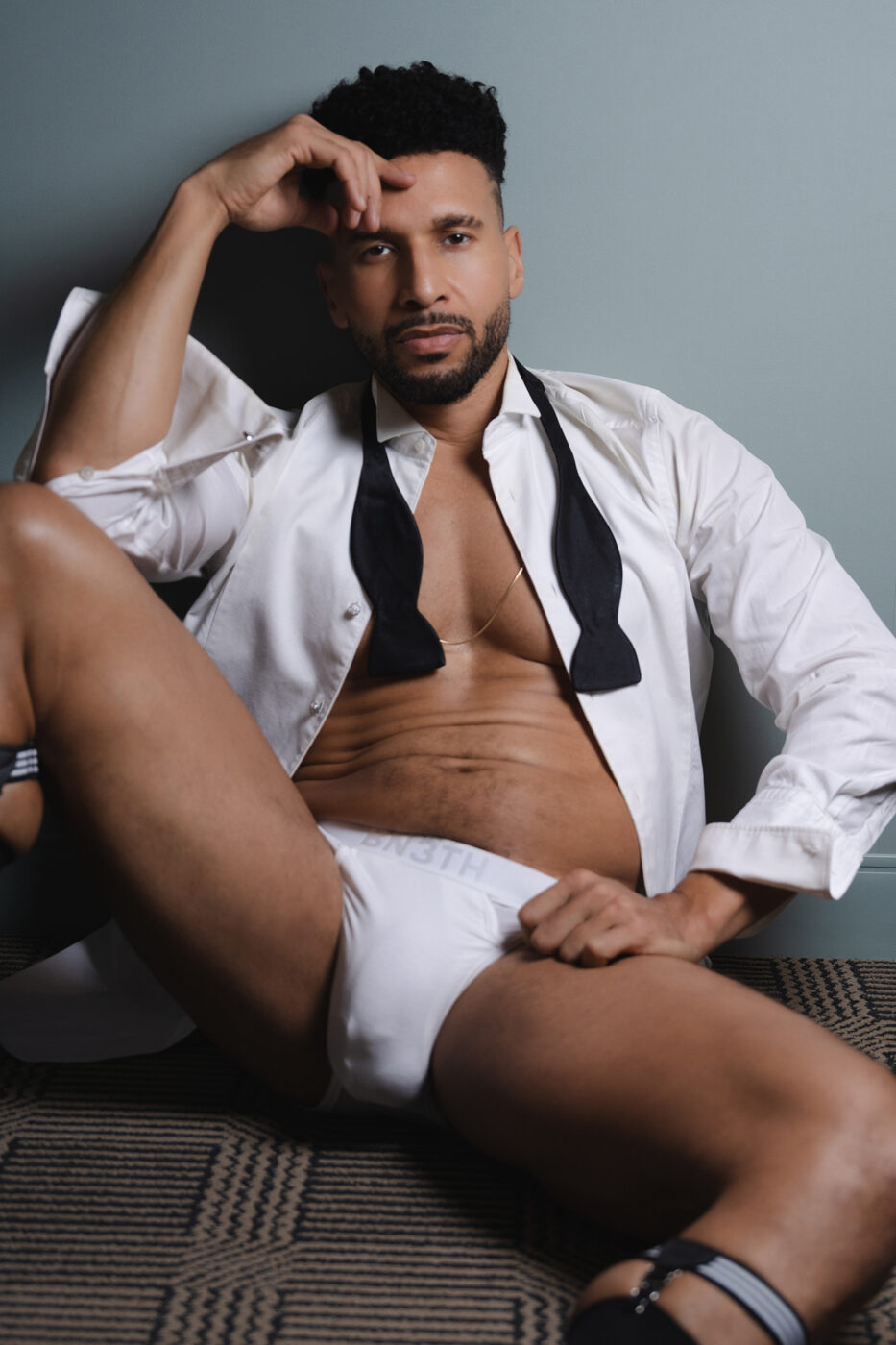
- Sydney James Harcourt • Photo: Sekou Luke.
-
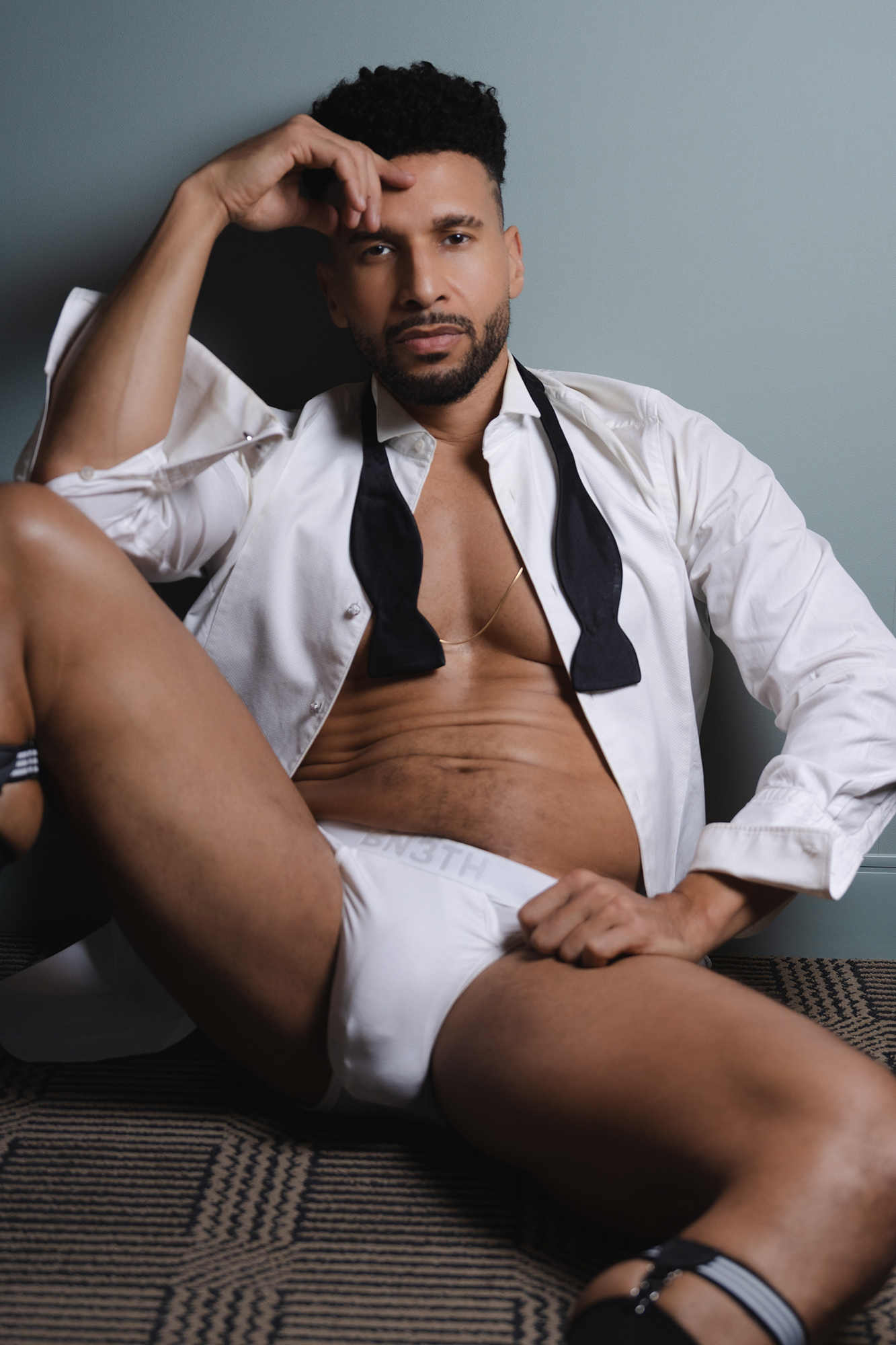
- Sydney James Harcourt • Photo: Sekou Luke.
You dropped out of the University of Michigan after one semester to move to New York and get started as an actor. Where’d you get the nerve to do that?
You know, no one’s ever asked me that, and it was a very simple answer for me. I have an older sister, she’s eight years older and she’s a half-sister of mine. Well, I have two legends. One, my dad, who I didn’t grow up with, but I knew that he was a jazz musician in New York, and so I knew that there was this place called New York and that he had gone there to do music. He was a jazz prodigy. And when I was very young, my sister dropped out of high school and went to New York to do the Apollo, Live at the Apollo. She didn’t win her first time, but her second time she did really well and she got a manager and a recording thing from it.
And then she was out there making demos and trying to do her thing, and singing in a band and trying to start a girl group. She had driven to New York, and it’s a nine hour drive from Detroit. And so, in my young mind, it became an option and it felt accessible in a way that didn’t seem like, ‘How will I ever get to New York?’ Like, LA seemed like another country. But you can just go to New York. You could go and you could try and if you failed, you could come back. And so that’s really what gave me the chutzpah, I think, to do it. But I also think it’s my mom, who from as early as I can remember, told me I could be whatever I wanted to be in the world. I just had to decide what it was that I loved and I could do that, because that’s how the world worked. There were no limitations placed on me or on how big I could dream. And so having seen, knowing, looking at that television and seeing that world of technicolor musical theater happening, I remember thinking, ‘Hey, if this is a real thing that humans do, yeah. That’s where I wanna be.’