If you listen to social media, Gen Z are all sexless prudes obsessed with keeping ‘body counts’ (your number of sexual partners) to a minimum, while millennials are kink-crazed, hookup evangelists.
Is there really a chasm between how the two cohorts think about sex? Take the reaction to the memoir, Adult Braces, by millennial writer Lindy West, earlier this year. The former media darling’s writing about her polyamorous marriage and subsequent bisexual journey was ripped apart: critics thought she was in denial, miserable in her relationship, and pressured towards compulsory sexual fluidity.
This is often what millennial feminism is critiqued for: its insistence on sexual pleasure, exploration of kink and polyamory, and celebration of hookup culture has been taken by the next generation as a kind of coercion into queerness and a perpetuation of a glib, hollow sexual culture above genuine connection. But what do Gen Z really think about millennials’ sex positive culture? And do millennials even resonate with the sexual stereotypes thrust on them by the younger generation?
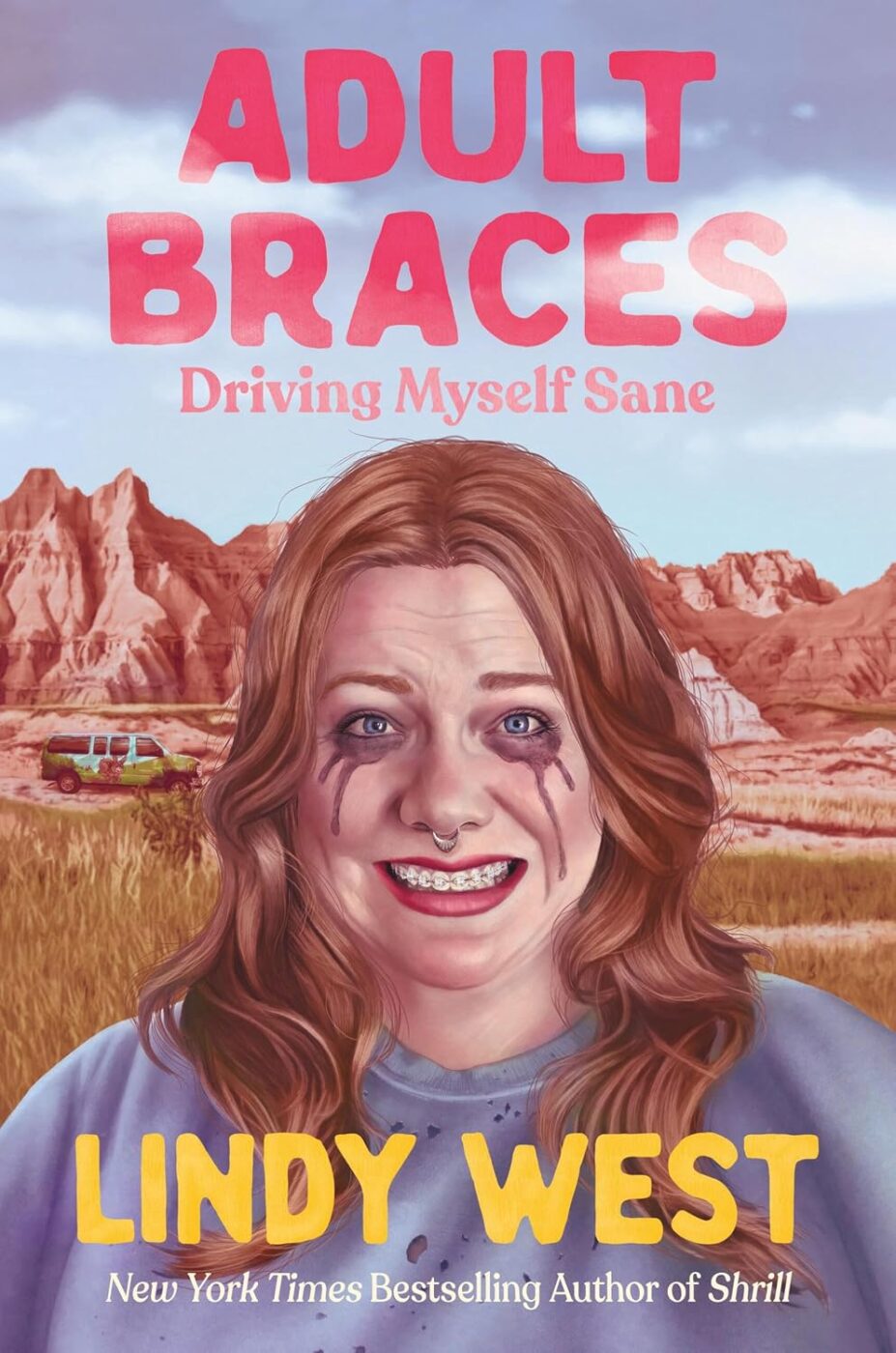
‘Adult Braces’
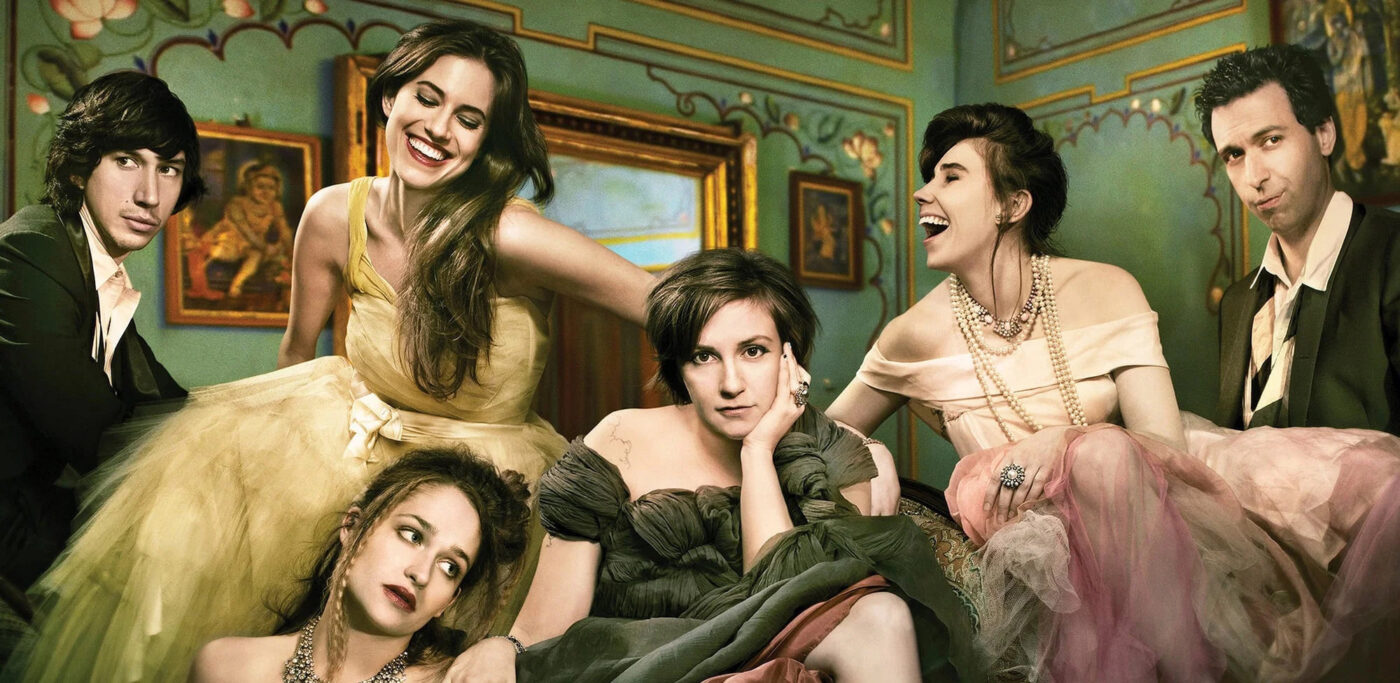
Lucia*, 25, a Gen Z coming of age in the 2010s, remembers being influenced by the boom in sex-positive, millennial feminist media, but can see how this type of content might rub people the wrong way. “I came of age when shows like Lena Dunham’s Girls were paving the way for women in my generation to be able to express an interest in sex and for it to not be shameful. In media like this, it was totally normal to be really open about sex and for that to be a big part of your personality,” she explains. “Sometimes, though, this message didn’t always resonate with me, or the way it was expressed was a bit too much. I suppose, like with any branch of feminism, you do sometimes have to push things really far in order to normalize things.”
While Lucia was consuming sex-positive TV and trawling sites like Tumblr for feminist content as a teenager, her sexual curiosity was met with judgement from her Gen Z peers. “I did watch porn and I remember having a conversation with people at school where they were like,‘Porn is so awful’.” Gen Z celebrities like Billie Eilish and Gracie Abrams have publicly spoken out against the adult industry, solidifying their generation’s anti-porn attitudes. However, some millennials are also souring against porn.
This is the case for Rachel*, 38, who has recently been attempting to cut down on porn and has taken a more negative view of it. “I think that porn is always a con, it promises a lot that it can’t deliver. Whenever I watch porn, it quickly escalates into searching for more and more and more, because I’m using it to look for something it can’t give me — which is connection,” Rachel explains. “I also think that the more people you’ve had sex with, the more instances or memories you can fantasize about when you’re touching yourself. In my opinion, it’s much more gratifying to orgasm without having watched porn.”
Lucia mentions the experience of feeling more sexually precocious than her friends. Various studies suggest that Gen Z are late bloomers. This includes The Youth Risk Behavior Survey Data Summary & Trends Report: 2013–2023, which reported a reduction in sexual activity among high school students over the course of a decade. But now that the oldest of Gen Z are 29 and all grown-up, how have their sexual attitudes changed? According to clinical sexologist, couples therapist and psychotherapist Lulu Sunnucks, it’s important to be skeptical. “This is such broad strokes statistically and these numbers never take in the nuance of majorly important factors like gender, sexuality or gender expression.”

‘Girls’ • HBO.
What she has noticed, however, is that Gen Z are more introspective and more prone to championing singledom. “I think there is less reason to ‘commit’ to relationships that are not serving us as there perhaps used to be,” she explains. “Younger generations [are also] way more discerning and almost insouciant about leaving relationships that are not healthy.” Naturally, without the pressure to enter into relationships, it follows that the cohort may also have less opportunity for partnered sex.
Mikaela Makusha, 24, is a journalist who is firmly in the Gen Z camp and has even written about her own perceptions of the mini culture war around sexual attitudes. For her, Gen Z are more focused on connection rather than sex. In part, she feels like this is a reaction to coming of age during the pandemic, a time of profound isolation for many young people. “During [the pandemic] platonic connections did sort of break down, so when we came out of that, my generation were more eager to focus on friendships and on platonic relationships that can sometimes become sexual or romantic,” she explains. “For Gen Z, particularly post-covid, you make a connection first before things turn physical. I don’t think sex is the most important thing in a relationship, it’s more like a great added bonus.”
Dani, 28, agrees that sex is less of a priority to Gen Z women, but suggests that this is born from a general pessimism and dissatisfaction with sex – particularly in relationships or encounters with men – one which may cause women to disengage with dating apps, casual dating and other sex-focused activities. “I still don’t feel like women I know are all that liberated, I still hear so many people saying they’ve never orgasmed, which makes me sad,” she explains. “I think that women, in particular, are pretty disappointed with sex but are ambitious in other areas of their lives. I have friends who want a good shag, but can’t be bothered going on subpar dates to get there, so would rather avoid [sex and dating] altogether.”
Millennials are also feeling jaded about sex. This, at least, is the case for Emily, in her early 40s. “I have had a lot of sex and hookups, and that was something that I felt I needed mentally and physically at the time. I live alone and that was a decision I partly made in order for me to be able to enjoy my sex life without worrying about roommates,” she says. “However, now I’m single and celibate — it’s not that I don’t enjoy sex, but I want to focus and expend my energy elsewhere, namely in my career.”
Over the past few years, women across both millennials and Gen Z have been opting out of heterosexual hookup and relationship culture, with various TikTok trends like going “boy sober” rebranding celibacy as a chic new lifestyle choice. Even former dominatrix Julia Fox has claimed to be celibate. Disillusionment with heterosexual dating has taken over the media and spilled over online. Countless articles have discussed this “heterofatalism,” as women take to social media to share their frustration at men’s communication styles, dating etiquette, and perceived lack of emotional maturity. There’s also a wider social context: the rise of misogynistic ‘manosphere’ influencers like Andrew Tate, as well as the rollback of progressive politics.
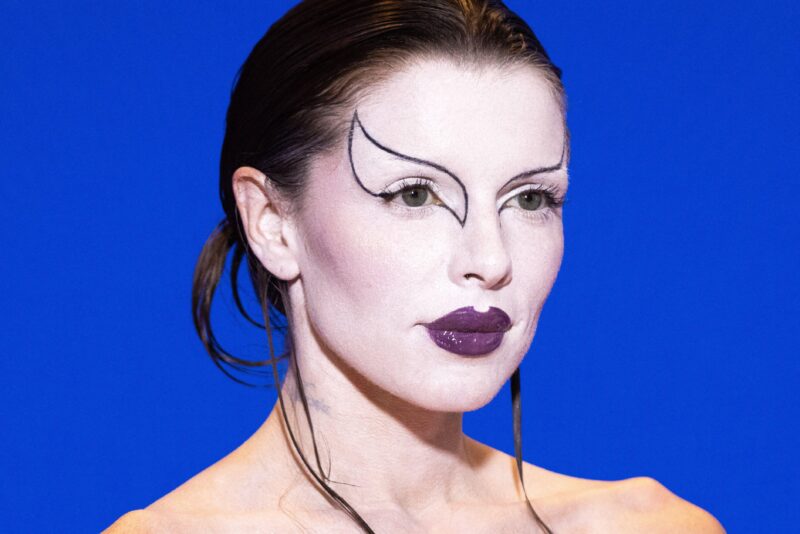
Julia Fox • Photo: Abaca Press.
For Mikaela, the prevalence of this kind of right-wing political discourse erodes trust between men and women. “There are a lot of guys who are very influenced by the manosphere, so we are seeing this big polarization between men and women. And, of course, that leads to differences in expectations around sexual relationships,” she explains. “With my generation, a big part of sex is trust and it’s hard to trust a man who thinks you shouldn’t be able to vote because you’re a woman.”
The polarization of opinions on gender makes it harder to find partnership and casual sex. The economy doesn’t help either. With AI eliminating entry-level jobs, sky-rocketing costs of living, and an increasing percentage of youth living at home with their parents after graduation, sex is the last thing on many people’s minds. “Job precarity, the cost of living, housing instability and a context of permanent hyper-connection and digital stress all compete directly with the conditions sex actually requires —which is presence, vulnerability and emotional safety,” says Sunnucks. “Desire is enormously context-dependent.”
I was born on the cusp of both the Gen Z and millennial generations, and can’t say I belong to either sexual culture (the supposed open-mindedness of millennials, or the straight-laced ethos of Gen Z.) But is there such a big difference after all?
*Name changed