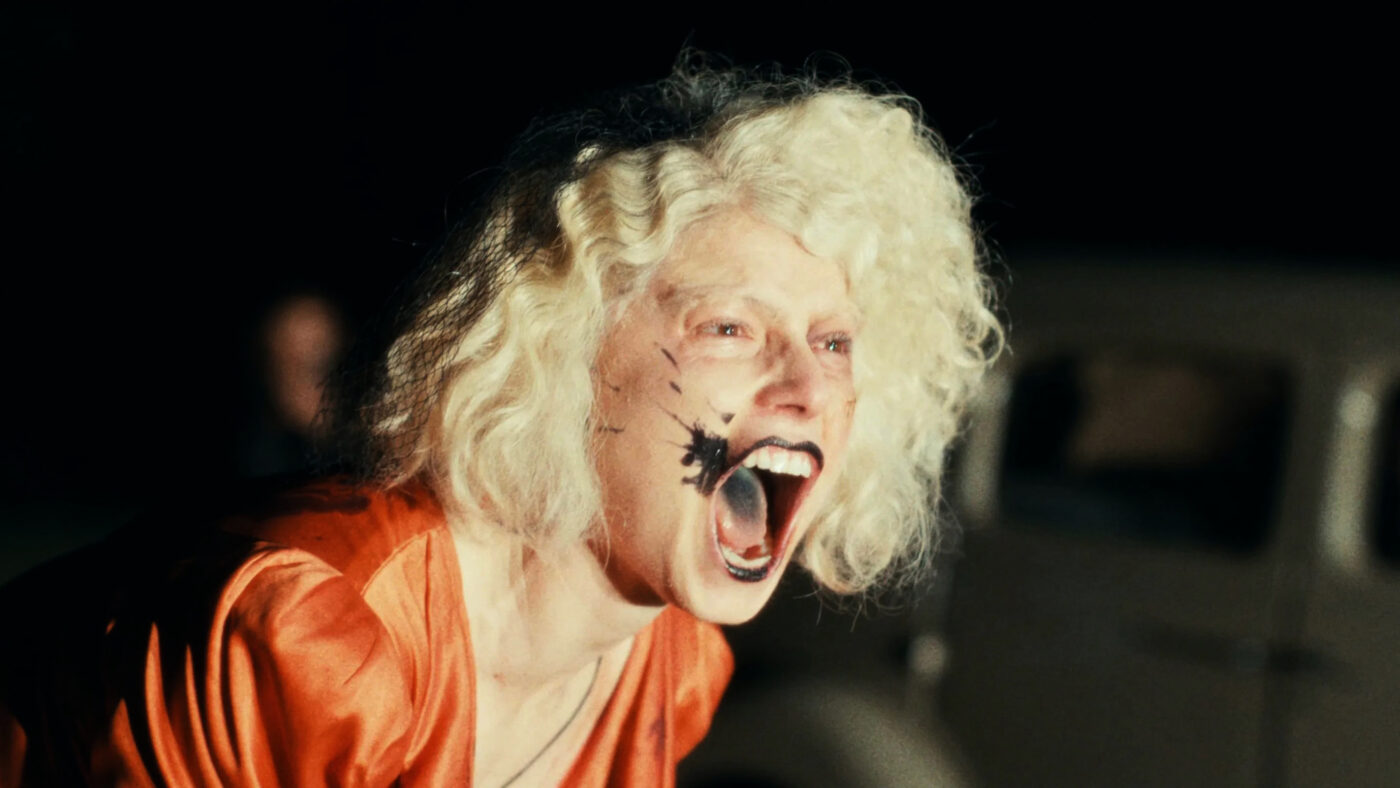
Maggie Gyllenhaal’s addition to the Frankenstein oeuvre is set in a rollicking, anachronistic, glam-punk 1930s, where the Bride (Jessie Buckley) and Frankenstein (Christian Bale) are outlaw lovers on the run, mowing down rapists and cops as they go. What sounds like an exciting variation on the rape-revenge genre is a muddled mess–somewhere between Baz Lurhmann in a pussy hat and Coralie Fargeat on laughing gas. The Bride! wants to be an anarchic scream of rage but is choked by a lack of conviction.
The film’s setup mimics the premise of James Whale’s The Bride of Frankenstein in which lonely Frankenstein begs Dr. Pretorius to revive him a bride. Christian Bale interprets Frankenstein (or Frank) as a bumbling virgin desperate for love. His submissiveness plays well against Buckley’s erratic swagger. Their odd couple dynamic turns violent when a low-level gangster attempts to rape the Bride. Frank rushes to her defense, curb stomping him to a pulp. From then on, the star-crossed criminals stay one step ahead of the law, inspiring a revolt of riot-girl-terrorists in their wake. We spend the bulk of the film in their honeymoon phase, watching them scream out the window of stolen cars. The sounds of screaming and maniacal laughter overpower the epic soundtrack, with dance-punk by Fever Ray and a rough, moody score by Hildur Guðnadóttir. This obliterating scream howls from the opening sequence, but loses its breath by the third act. The Bride! struggles to build and release tension: all scream, no inhale. Any catharsis promised by the film’s violence, revenge, and unbridled feminine rage is lost in the fumbled pacing.
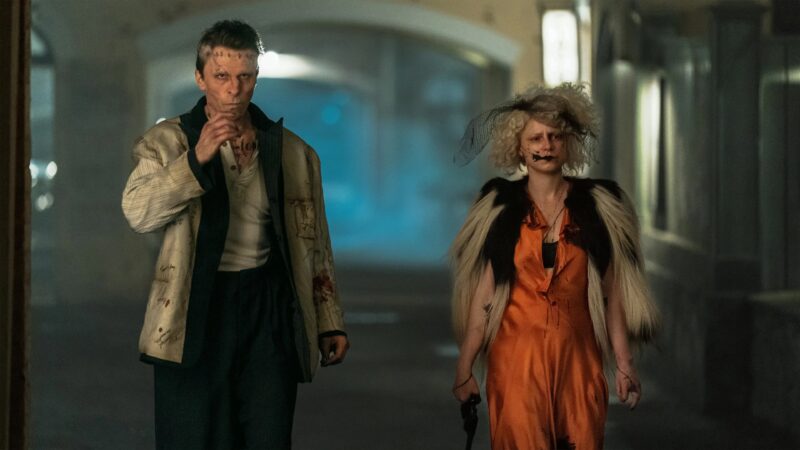
‘The Bride!’ • Photo: Warner Bros.
Gyllenhaal joins a cadre of filmmakers taking the rape-revenge trope from its scuzzy seventies roots into the 21st century. She does it with the heavy-handedness and spectacle of a Wes Craven picture and the gloss of Jennifer’s Body. The film plunders many subgenres –body horror, gangster movies, and rock musicals to name a few– but it aligns with rape-revenge in its antagonism of the police and its promise of feminine rage. Buckley’s Bride is trigger-happy and the men at the receiving end of her fury are cartoonish: the greasy gangster, the rapey rural cop. This lack of a specific villain echoes the psychosis of the Epstein-era, where sexual violence is embedded in our systems of power. In both The Bride! and the material world, predators are a systemic issue rather than one bad egg. But Gyllenhaal’s broad brush clouds the film’s politics and leaves us without a compelling antagonist.
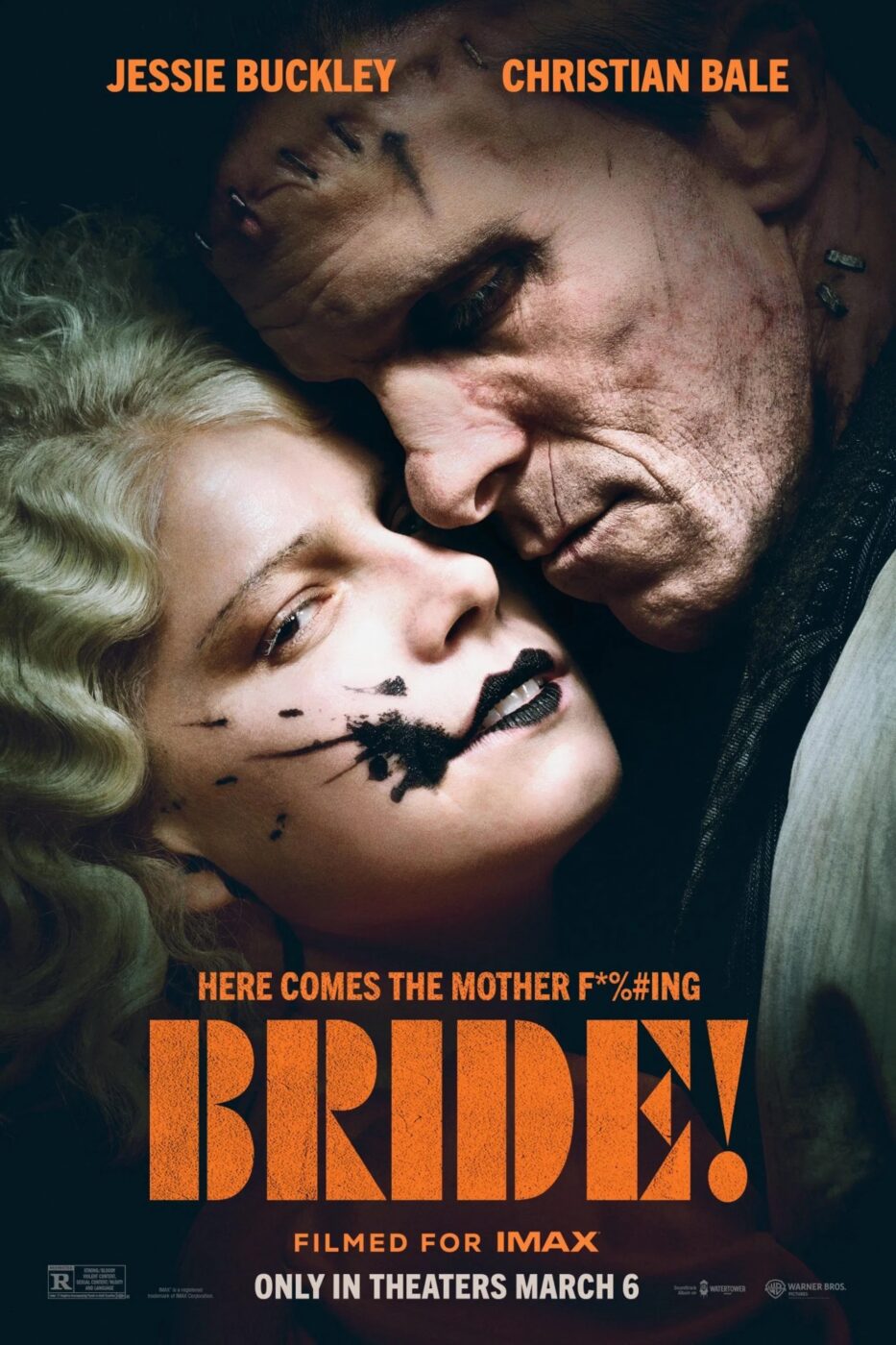
Bale’s Frankenstein is a foil to the world of evil men. His mangled body places him in the same abjected position as his bride. His scars and sores are captured from the Bride’s point of view, with erotic curiosity. Other women directors have liberated the rape-revenge subgenre from its male-dominated roots with sex scenes that empower the survivor as a complete, complicated, sexual being. (Micaela Coel does this immaculately in the finale of I May Destroy You.) The scene where the Bride takes Frank’s virginity has the potential to be an antidote to the film’s sexual violence. Instead, it’s barely there –a cold, generic love scene fractured into a montage of hijinks. The film uses sexuality as a marketing draw but ultimately backs away from intimacy, consistent with the film’s lack of commitment as a whole.
‘The Bride!’
Part of what makes rape-revenge radical, even in its most exploitative form, is that it is anti-police. For the trope to function, the police have to be hostile or at least inept, causing the survivor to take justice into her own hands. In The Bride! the police are entangled with old-timey gangsters who cut out women’s tongues. While the police are antagonists for most of the film, lawful good prevails. Myrna, in a stilted performance by Penelope Cruz, starts the film as the overqualified assistant of the key detective. She eventually replaces him in a “change things from the inside” reformist cliché. Myrna saves the Bride and Frank at the very end of the film. But elevating a cop into a savior –woman or not– undercuts the message. This brings Gyllenhaal’s moderate feminism to the forefront, posing police corruption as a male problem. It muzzles what Gyllenhaal presents as the film’s central offering: rage against male authority.
The Bride! is electric with potential energy that ultimately fizzles, leaving us with the unfulfilled promise of catharsis.