Glossary.
Grifting: to engage in petty or small-scale swindling.
Looksmaxxing: the process of maximizing one’s physical appearance to amplify attractiveness.
PSL Scale (Proportion, size, lineation): a scale used to rate male attractiveness, largely used in the online incel community.
A decade ago, they’d be considered the jargon of digital fringes; terms thought confined to a minority of troubled ‘incels’ trolling women online and arguing in r/RedPill and 4chan forums from basements around the globe. In 2026, what was once thought of as subculture has splintered, professionalized, and embedded itself into the architecture of algorithms and daily online life.
Welcome to the manosphere of today. The movement, often explained as a backlash to a crisis of male identity amid rising feminist progress, now operates as an ecosystem of competing archetypes rather than a one-dimensional vision. We have the ideological purists: radicalized on encrypted platforms, they’ve traded pickup artistry for ethno-nationalist conspiracies, revel in the glorification of UFC fighters, and see their version of ‘correct masculinity’ as a political war. Then there are the ‘manfluencers’: the entrepreneurial spawn of their forefathers, podcasters packaging sanitized rhetoric into a luxury lifestyle brand where alienation is touted as the ‘high-value male’ mindset. They push content and sell e-books on how to achieve alpha status, physical optimization, and ‘God-like’, at times nihilistic, stoicism. Thus, the battle is no longer for control of a singular conversation on manhood, but for the very definition of what it means to be a man.
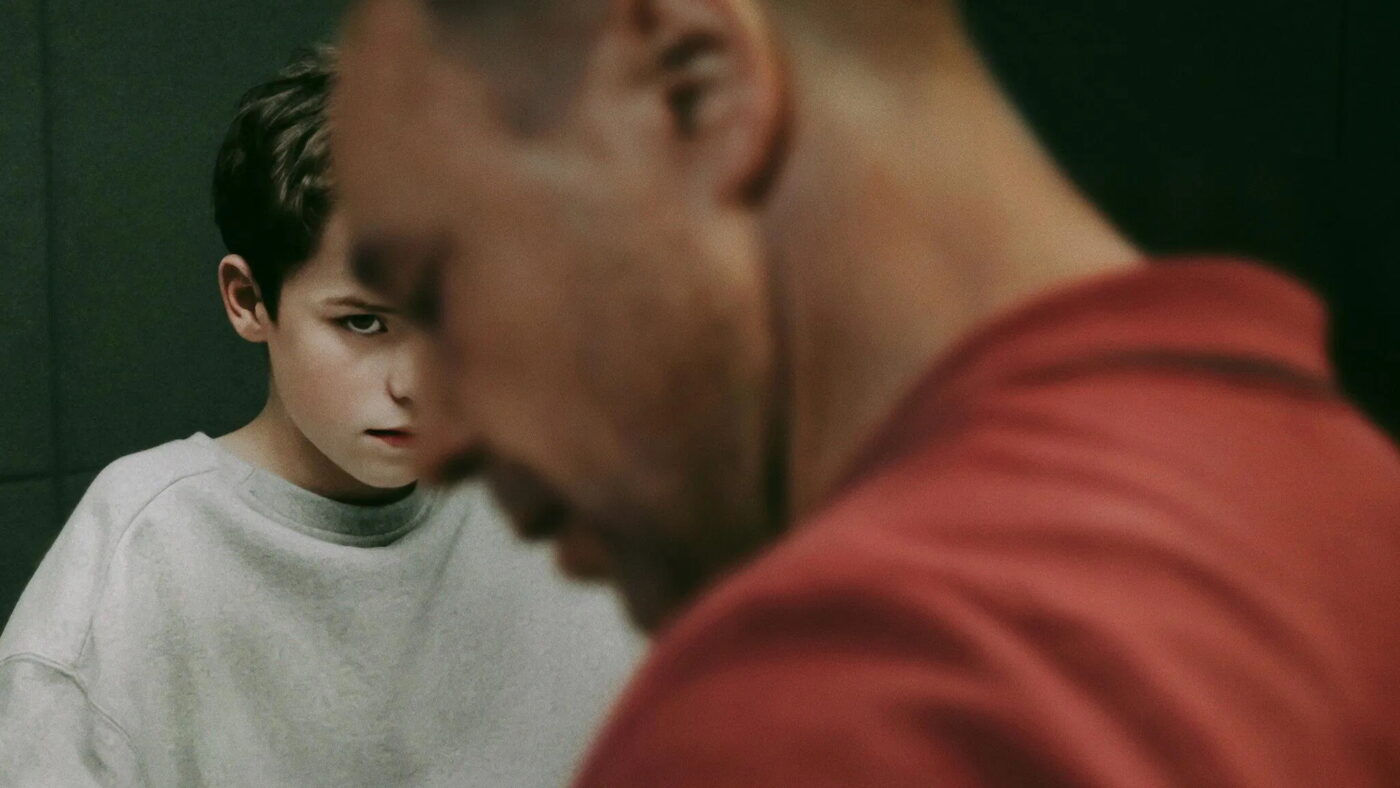
The internet is actively breeding men of today to become blatant sexists with massive chips on their shoulders. By now we all know the consequences, both minor and dire. We watched Netflix’s Adolescence, the 2025 British miniseries about a 13 year old boy charged with murdering his female classmate after being radicalized online. The manosphere’s influence now stretches far beyond young or old, conservative or liberal, red-pilled or blue. Within seconds, an unsuspecting man’s innocent double tap can turn a single video of generic advice on how to talk to women into an endless stream of instruction videos on how to control and abuse women and get away with it. How being a man caring is considered ‘simping’. How a woman’s body count determines her status as wifey material, or not.
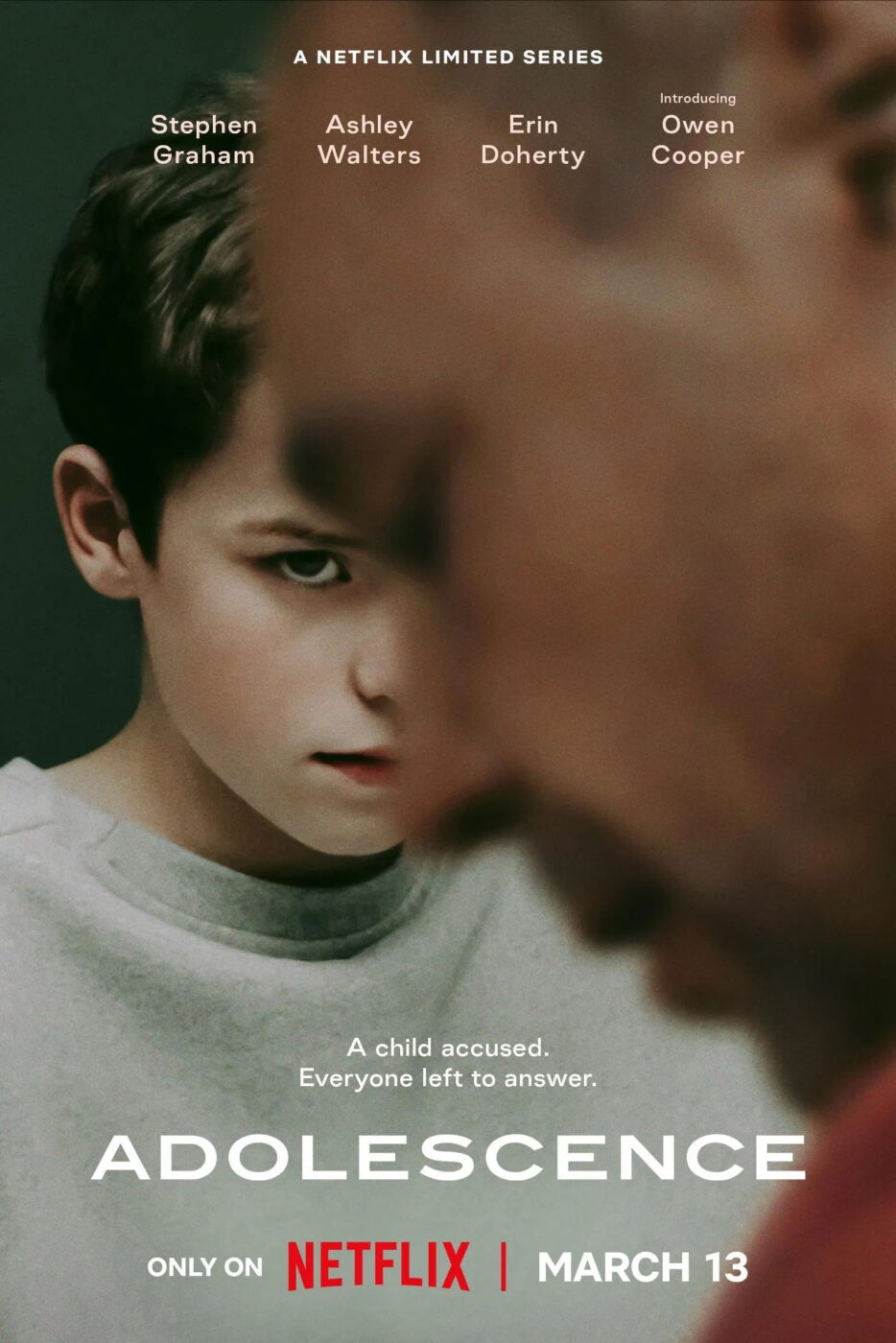
‘Adolescence’ • Netflix.
It’s become even harder to admit and call out “red-pillification” in intimate relationships. In my personal life, I’ve been unpleasantly surprised to see what dark tidbits of knowledge the algorithm is feeding the men around me. The pipeline has become quieter and more difficult to detect. It is no longer a question of “if”; it is simply a fact. So, what does this mean for the future of men with internet access? And for women dating and marrying men, what happens next?
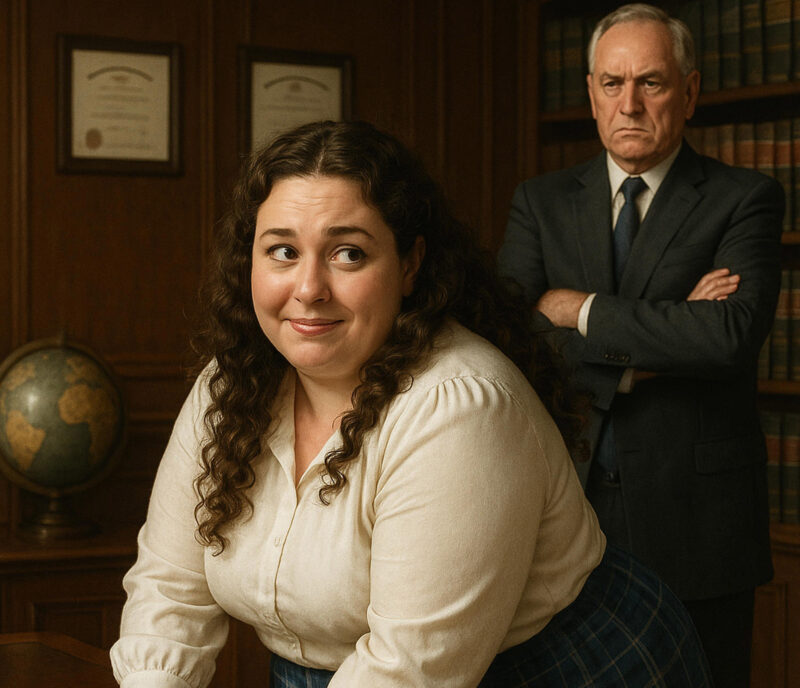
Canadian filmmaker Aimee Hoffman’s horror short film Dadda (2025) explores this anxiety through a satirical lens in the context of career competition within a marriage. Dubbed “a darkly comic descent into the modern male psyche,” Dadda was Hoffman’s way of telling “a story about how fragile masculinity and unexamined insecurities can quietly or loudly erode relationships, escalating into something genuinely destructive.”
She shares that witnessing the manosphere’s reach from the far right corners of the internet to those in her personal dating life “influenced almost every relationship I’ve had over the past decade. I’ve even dated someone who genuinely believed feminism was the reason he didn’t have a job,” she explains. “There seems to be a deeper belief that success is no longer earned but redistributed, that women are succeeding at their expense. When men are struggling professionally and their partners are thriving, that insecurity can easily turn into comparison, resentment, and misplaced blame. Many women have adapted to changing cultural and economic realities, while some men remain attached to an outdated sense of entitlement.” The greatest concern, she notes, is “the ability to disguise hate as humour or insight at a time when men are feeling especially disaffected.”
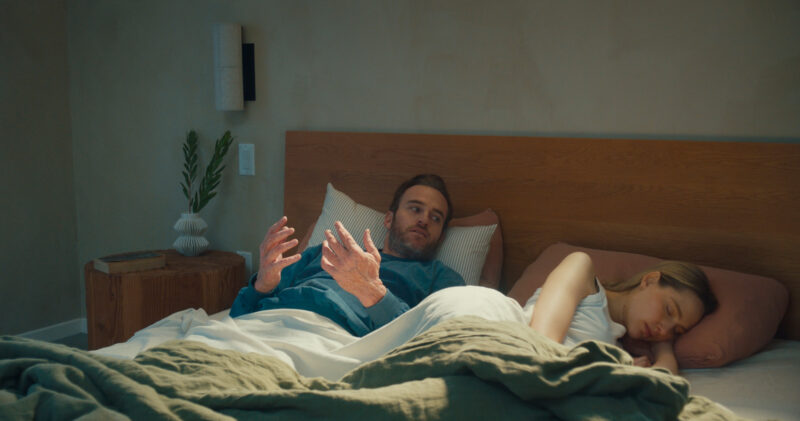
‘Dadda’
Reflecting on the manosphere’s evolution, Hoffman draws a direct line from the movement’s past to its present. “The men’s rights movement, red-pill forums, trolling, Jordan Peterson, Andrew Tate, and the current-day Nick Fuentes and the Groypers,” she clarifies. “They are connected by the same core of misogyny intertwined with racism, a thread of shared grievance that is continually repackaged and framed as truth-telling or self-help.”
However, the latest rebranding of the ideology is particularly worrying, as it is becoming increasingly dangerous for men’s physical and mental health in new and unsettling ways. “With looks-max culture, worth is increasingly reduced to physical appearance, facial symmetry, and in the most extreme form, taking steroids, becoming sterile or hitting yourself with a rock to swell your facial bone structure,” shares Hoffman, referencing 20-year old manfluencer Clavicular, largely considered the architect of this hyper aesthetic offshoot. “Straight men are turning to peptides, hormone optimization, cosmetic injections, and surgery at increasing rates. I’m all for gender affirming care, but I worry that this pressure is being reinforced by dominance, resentment, and exclusion. It can seem absurd or online only at first, but these belief systems scale quickly and have real consequences.” It is thus crucial to keep the discussion going, recognize the space for hope and leave room to reframe the conversation. The very existence of ‘escaping the manosphere’ counter-movements signals a path forward.
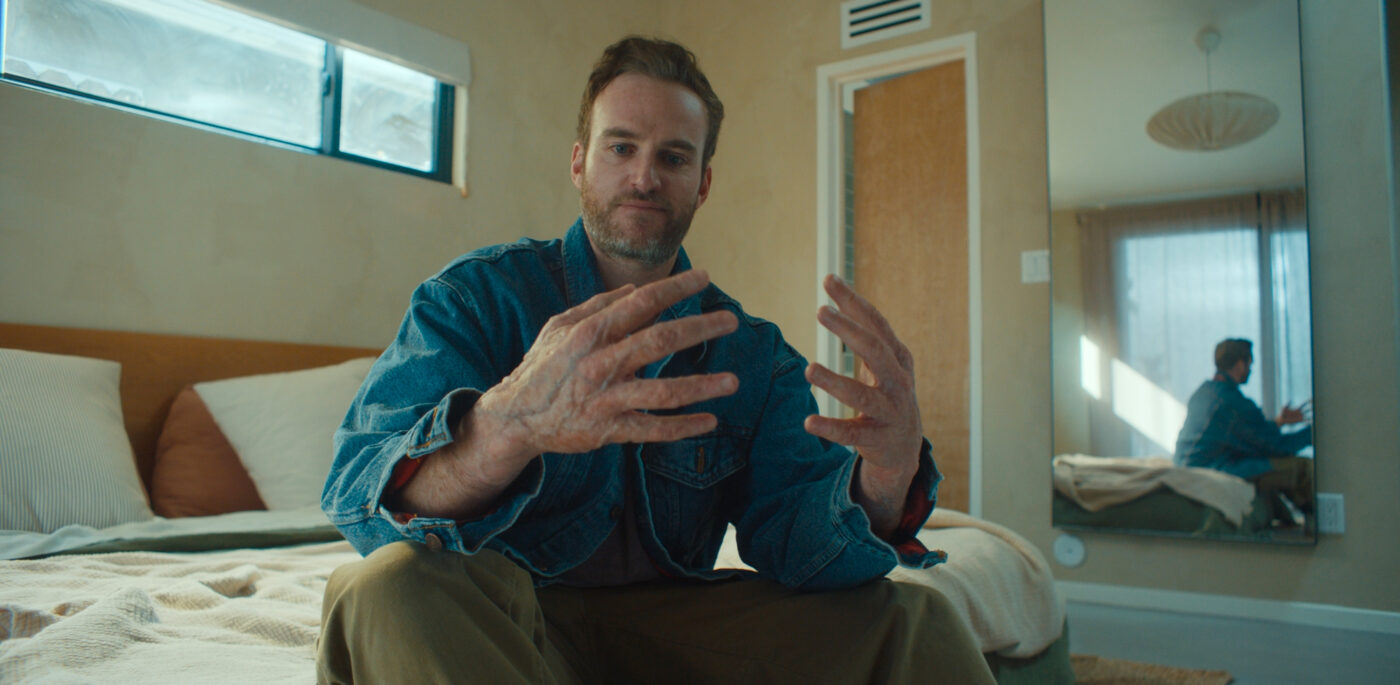
‘Dadda’
“In response to my film, a few have accused me of being a misandrist, but a lot of men deeply connected with and loved it,” Hoffman observes. “The more we understand each other, the more likely we are to connect instead of divide.” She points to a necessary cultural shift: “There needs to be movement from traditional ideas of what men are supposed to be and focus instead on how men can adapt to a changing world without shame. That means expanding masculinity rather than defending it. Men as teachers, nurses, primary caregivers, and emotionally present fathers. Domestic labor is real labor, and it deserves respect regardless of gender. Young men need tools to talk openly about insecurity, failure, and fear. To recognize when those feelings are being exploited by nefarious voices that want to weaponize insecurity into resentment, dominance, and hate.”
This is the opportunity. The goal should not be to win a gender or culture war, but to build a narrative of connection, where emotional literacy is strength, and vulnerability fosters trust rather than exploitation. Where an intimate relationship is a collaborative project of mutual growth, not a strategic game. The antidote to the manosphere’s fractured, algorithmic vision won’t be found in the feed, but in the brave decision to build self-worth that isn’t numerical or for sale, and to seek a partner, not an ego-inflating trophy.