Decades before hookers became known as sex workers or the term “body positivity” entered the lexicon in any meaningful way, during a time when it seemed unimaginable that major retail chains like Target would ever sell rainbow-themed merchandise during Pride month, there were the brave pioneers who risked everything to make all that possible. HBO’s documentary Bang My Box: The Robin Byrd Story tells the story of one such “accidental activist,” the endlessly endearing (and entertaining) Robin Byrd.
As the boundary-pushing host of the New York City cable access staple The Robin Byrd Show, which aired from 1977 to 1998, Byrd has long been a celebrity. For Bang My Box directors Jyllian Gunther and Stephanie Schwam (as well as executive producer Sarah Jessica Parker), The Robin Byrd Show was an eye-opening part of their formative years.
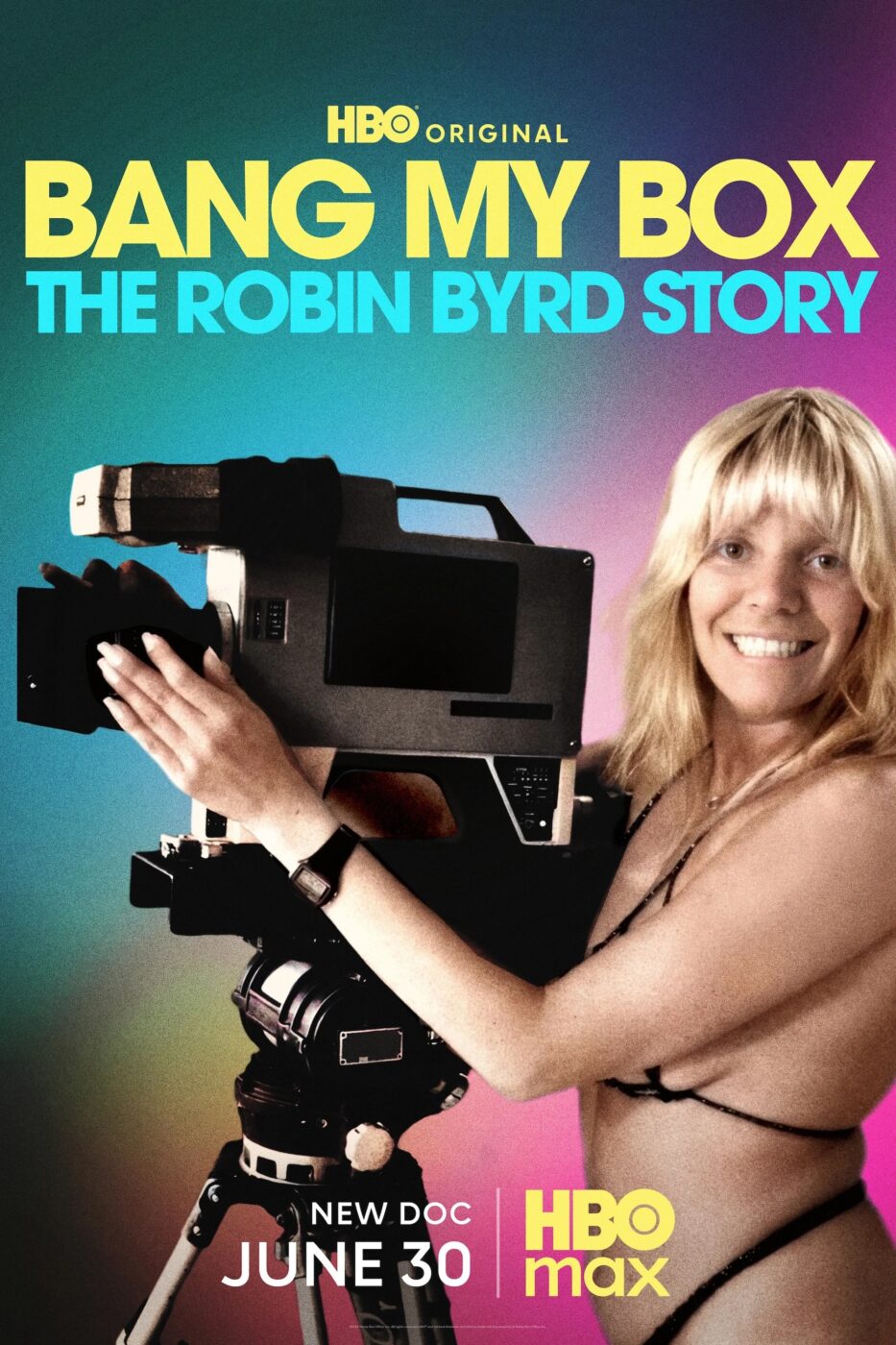
‘Bang My Box: The Robin Byrd Story’
“Jyllian is a New Yorker, and she grew up watching with impunity as much as she wanted with the television on her lap, and I grew up visiting New York with my mom and sneaking it at hotels at night,” Schwam tells Playgirl.
The documentary opens with a clip from the show of Byrd wearing her famous crocheted bikini, beckoning the camera closer with a trademark white-painted fingernail: “Hi, I’m Robin Byrd, and this is The Robin Byrd Show. And what I want everyone to do is get real comfortable. You’re probably with a loved one, so snuggle up. And for those of you who don’t have a loved one, well, you always have me.”
It might sound like a typical X-rated program intro, but Byrd’s words were more than mere lip service. They were a promise, and one she would keep.
The Robin Byrd Show was, without a doubt, the “ultimate underground party,” as Sandra Bernhard calls it in the film. It was also groundbreaking, life-affirming, and literally lifesaving. Byrd’s guests, from drag performers and adult entertainers to artists and musicians, were accepted and celebrated, as were the many loyal viewers who called in from home. The episodes typically ended with Byrd and her guests dancing to the raunchy anthem “Baby, Let Me Bang Your Box,” which Byrd recorded herself. (If you need to feel a little better about the world, these slapstick musical interludes — which might include Byrd gleefully sticking her head between a guest’s breasts or pretending to poke herself in the eye with another’s penis — are a guaranteed mood-lifter.)
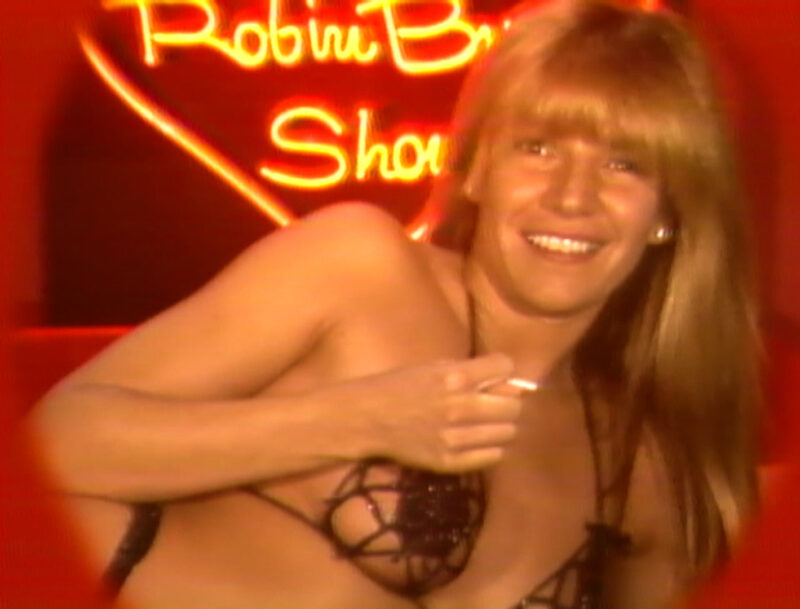
‘The Robin Byrd Show’
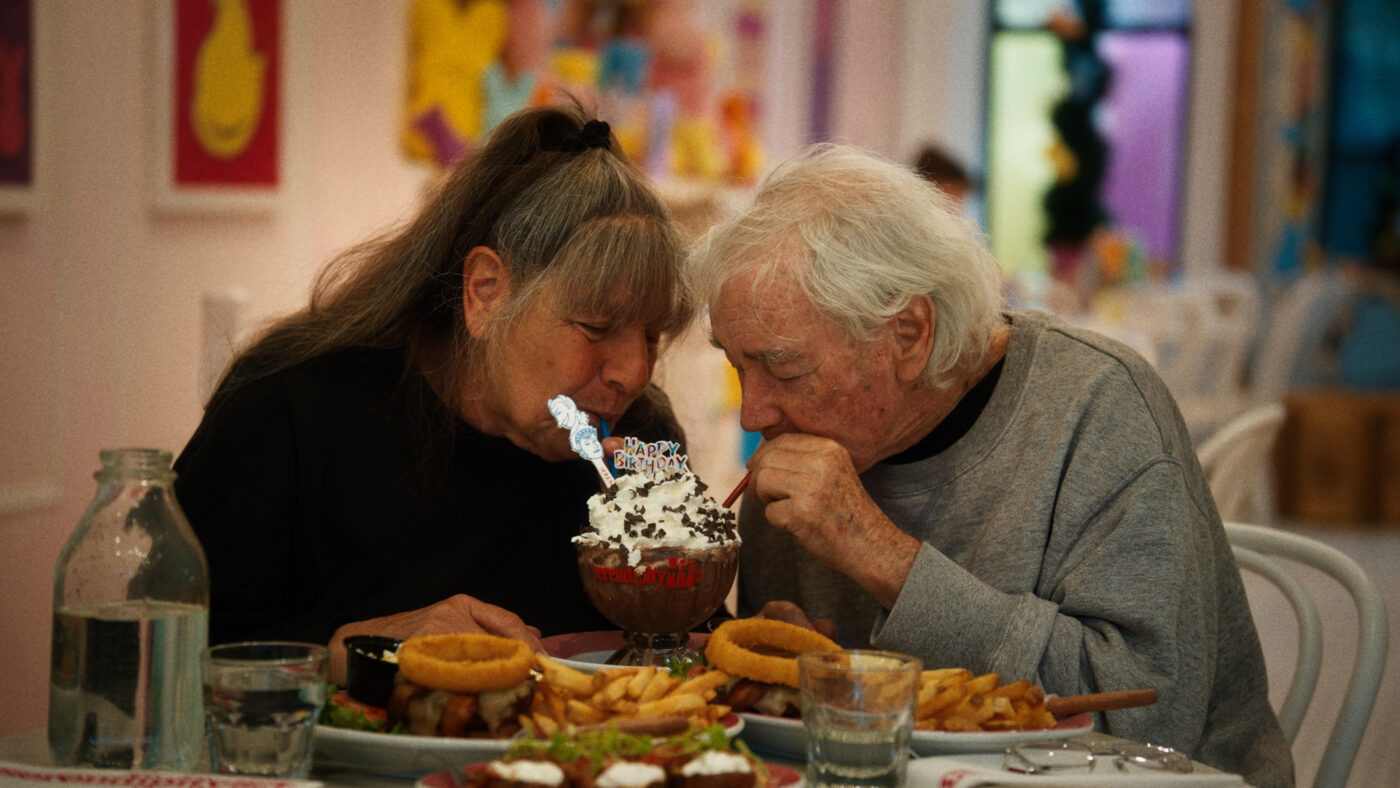
Our first glimpse of present-day Byrd is in the Manhattan apartment she shares with Shelly, her husband of 50 years. Wearing a simple black shirt and jeans, her hair pulled into a bun on the top of her head, Byrd gives a guided tour of her carefully archived memories: The walls are covered with newspaper clippings and snapshots; there are shelves filled with over 600 tapes of The Robin Byrd Show, stored under sheets of plastic. “These are our children,” Byrd says of the video cassettes, with a smiling Shelly nearby. Filming the documentary was the first time Byrd opened her home to outsiders in two decades — a step she was hesitant to take, according to Gunther and Schwam (particularly because Shelly, 86, has dementia).
“They told my story the way I said it,” Byrd tells Playgirl. “I’m actually a figment of some people’s imagination, you know. I’m part of their fantasy. The reality of me is right there and it’s more than what they have actually imagined.”
Byrd says she believes in destiny, and her journey has been nothing if not fateful. Kicked out of her home by her abusive adoptive mother as a teenager, Byrd slept in Central Park, found refuge among the hippies and realized she “really liked women,” too. While pursuing a career in creative direction at the School of Visual Arts, Byrd made money as a nude model for art classes. From there, she graduated to professional nude modeling, then to adult films (her most well-known role was in the classic Debbie Does Dallas). Somewhere along the way she met Shelly, then a “hot shit art director,” on Fire Island. Byrd was taken by his warmth and sensitivity; in the movie, she calls him “the woman I always wanted to marry.”
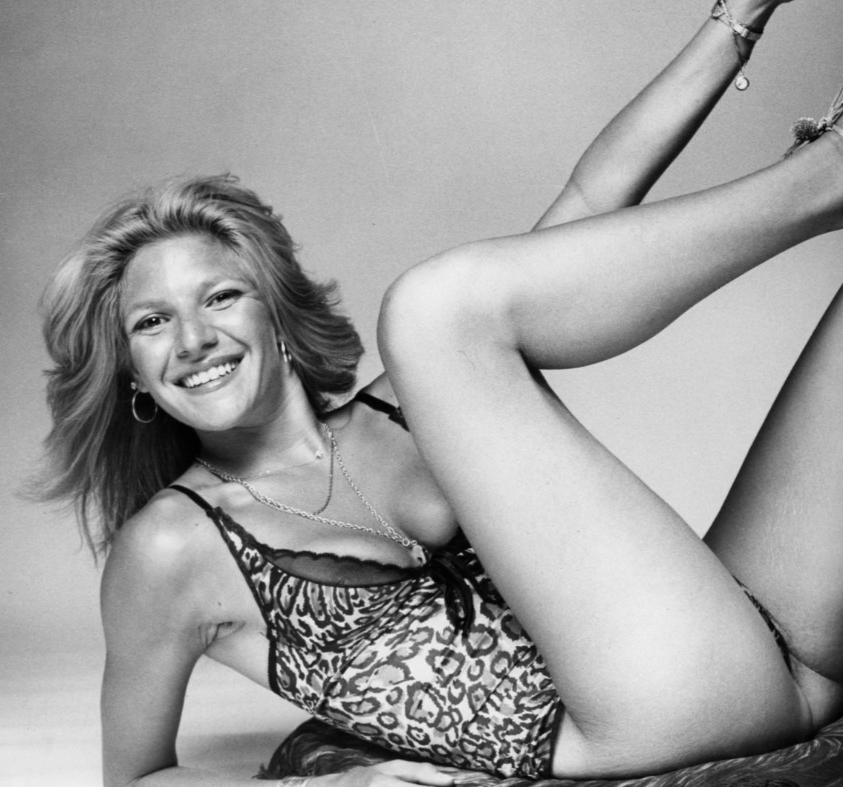
Robin Byrd
The couple’s love story is at the heart of the documentary. One particularly moving scene takes place on Fire Island, where they’ve had a home for years. Byrd tries to take Shelly to the house where they first met, attempting to “jog his memory.” Nothing is familiar to Shelly, and the walk is too long. Leaving Shelly to rest, Byrd presses on through the sand. Her face glows when she finally finds the house. “I guess coming back was more for me,” she says.
Byrd is a cherished LGBTQ+ icon on Fire Island, and with good reason. During the height of the AIDS epidemic, when misinformation and fearmongering were rampant, Byrd used her show as a platform to enthusiastically promote safe sex. When Time Warner attempted to have adult content scrambled (unless individual subscribers wrote in to request access), Byrd and fellow public access provocateur Al Goldstein filed a landmark lawsuit. Eventually, the Supreme Court ruled that Time Warner’s demands were a violation of the First Amendment.
Asked if she ever felt scared during the highly publicized and controversial battle, Byrd smiles.
“I still believed in destiny,” she says. “When we went to New York State Supreme Court, they had just renovated that building and the carpet on the floor were stars, and the points were pointing to the judge…and I had my feet on the points and pointing to him, and there was a sign. So, I wasn’t afraid. I knew that the universe would give me what I needed when I needed it.”
As frustrating as it must be for Byrd to witness LGBTQ+ rights, free speech, and everything else she fought for under threat yet again, she remains optimistic.
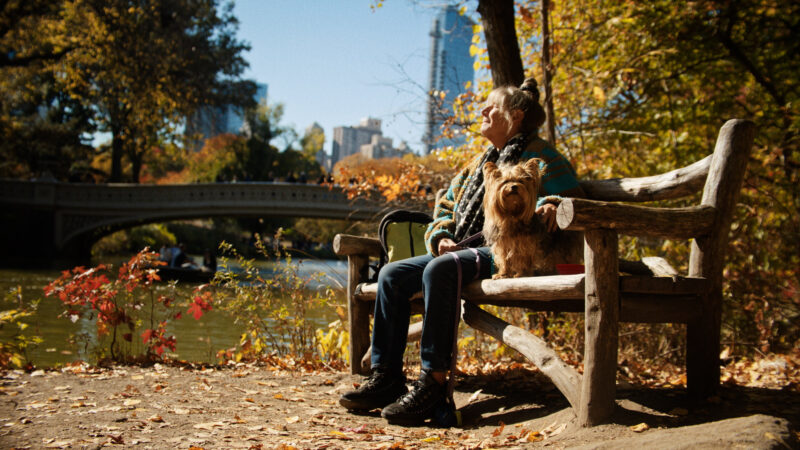
Robin Byrd • Photo: HBO.
“Life is like the tides,” she says. “The tides go high and then they go low, in between times we have to maintain what we believe in, right? As long as you’re not hurting anybody or yourself, then by all means live your life.”
Now, at 71, Byrd’s evolving ethos of self-acceptance is resonating with fans who are grappling with the aging process. In the film, she jokes about being “older, fatter.”
“To have a person who was in the sex industry, someone who was nude for a living…how can she accept her body and grow old? That was one of our questions,” says Gunther.
The answer, perhaps, comes in one glorious scene featuring Byrd walking down the beach in Fire Island, naked, with the sun setting behind her. As Gunther explains, Byrd was hesitant to disrobe for the film at first but got over her reservations “pretty quick.” The resulting moment is a triumph: At the first five screenings, the audience broke out into applause every time Byrd raised her arms to the sky.
For Byrd, this long overdue recognition is rewarding, to be sure. But what she really wants is for the next generation to know their history.
“I was a pioneer,” she says. “It’s the pioneers that get the arrows; it’s the settlers that get the land. So no matter how you walk that land, just remember where you came from.”
Bang My Box is currently streaming on HBOMax