She is the silent celebrity behind some of the loudest moments in fashion and pop culture. Since bursting on the scene in the 90’s, Misa Hylton has captured the audience. With her distinctive Japanese-Jamaican features, bold blond hair and unique style, she could have easily been one of the many artists emerging at the time. Instead, she was the artist’s architect.
As a young fashionista, coming of age during the dawn of hip-hop, Hylton styled the most iconic musicians and videos in the genre. From the colorful couture in Lil Kim’s “Crush on You” music video, to the gritty sophistication of Mary J. Blige’s debut album, What’s the 411, she seamlessly translated sound to style. Be it rappers like Foxy Brown and Missy Elliott, singers like Faith Evans or groups like Jodeci, Hylton didn’t just dress the artist’s body –she defined their look.
And this was just her beginning.
In the years since, Hylton has subtly expanded her standing as one of the pioneers of American fashion. Her work ranges from styling editorials at high fashion publications like W Magazine, to costume design for movies like The Perfect Holiday, to global partnerships with luxury brands like MCM. Her career has been the blueprint for a whole army of stylists, designers and fashion lovers who have carried Hylton’s creative DNA into the new millennium.
It’s a remarkably bright career, crafted under the dark shadow of controversy. As the former partner of beleaguered rapper Sean “Diddy Combs,” with whom Hylton shares a son, she’s faced her share of public battles. And legal ones, including a recent lawsuit with her former friend and client, Mary J. Blige. Through it all, Hylton has emerged unscathed.
How?
The clue is in her character. Clever as ever, Hylton wields the ability to speak from the heart but also respect her own boundaries (she preferred not to answer certain questions) –something we discovered in a rich and lengthy conversation on life, luxury and legacy.
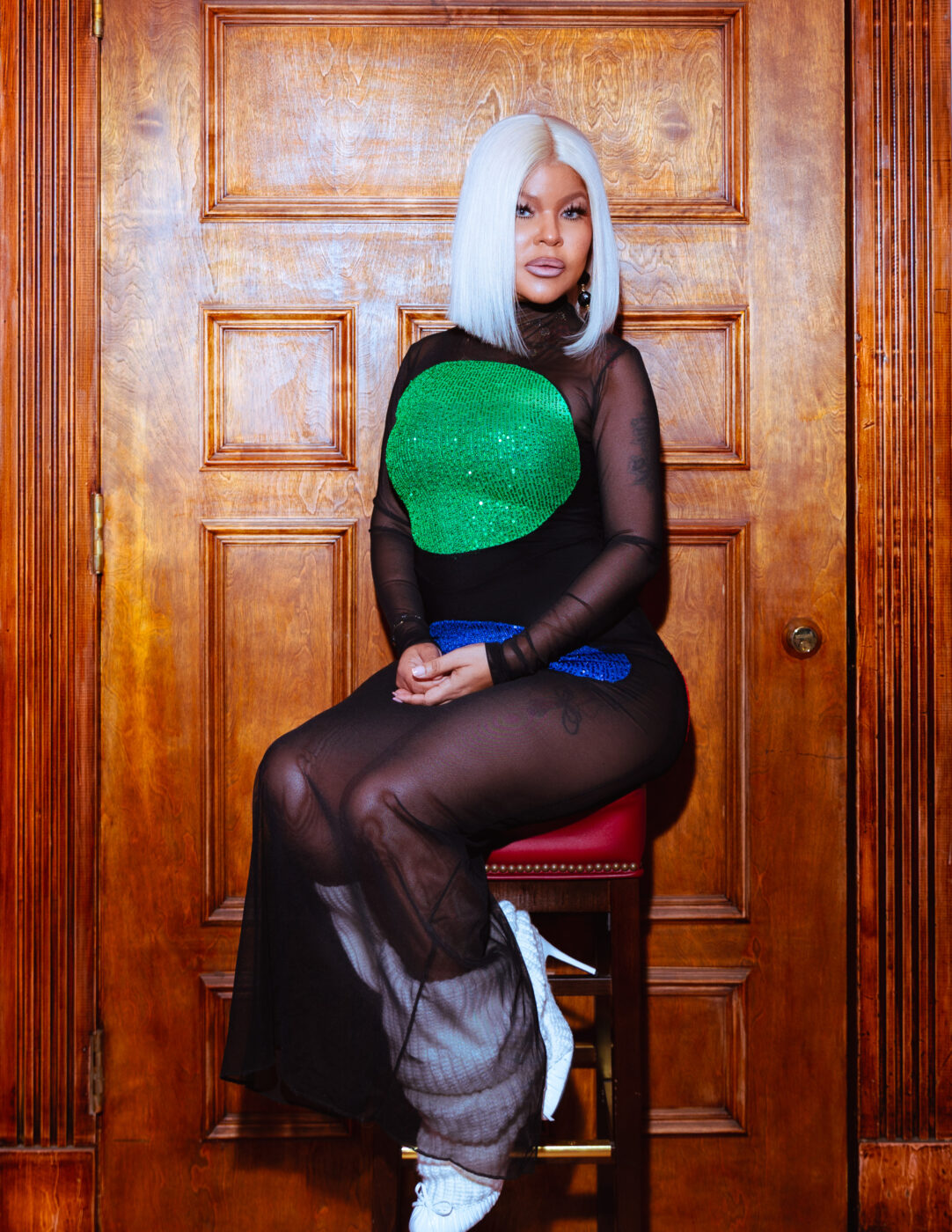
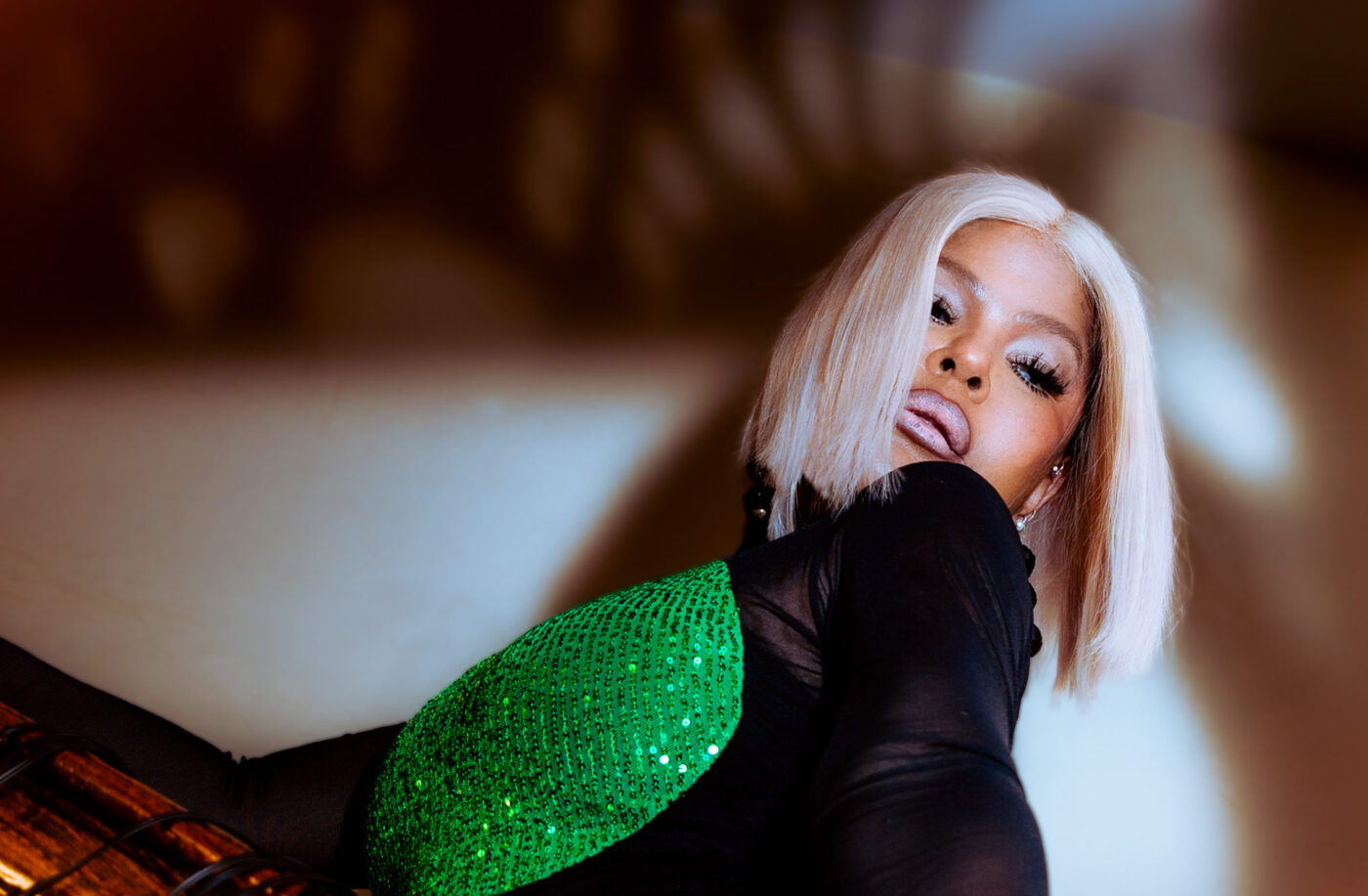
Misa Hylton • Photo: Dodanin Cruz.
What are some of your earliest memories of fashion?
When I was really young, I would change my clothes three times a day with three different hairstyles! I was building whole looks for creative expression. As a child, I was just naturally drawn to wardrobe and hair and creating a look. I would want to change my clothes and hairstyles along with it. I would get in trouble for all the laundry, but I still would keep doing it.
Did you keep that same passion as a teen?
As a teenager, I moved into dyeing my hair and playing with different colors and hiding the boxes under my bed! That for me was an expression of my creativity. I would have adults come into my house to get their hair done. I would put looks together for my peers, if there was a party coming up. I made friends with a woman who was a little older than me and she could sew. I would bring my ideas to her and she would make them for me –all while I was in high school.
Was hip-hop in the background of all of this?
Of course! I grew up in New York, in Mount Vernon during the early years of hip-hop. I would listen to it every weekend, because hip-hop only came on on Friday and Saturday. I would record Mr. Magic, Red Alert, Salt-N-Pepa, Doug E. Fresh. While I was listening to this music, I would think about the wardrobe and what the hair could look like and what the rappers would have on. At the same time, I would dress myself in those looks as well.
So, you were already a stylist as a child….
But when I started professionally, I didn’t even know what the word “styling” was. I didn’t realize I really do this until Lil Kim. I wish I could have gone to Parsons or NYC’s Fashion Industries High School. But that wasn’t even anything that anyone thought to point me towards as a child.
Despite that, it worked out…
My career took off pretty quickly. By 1995, I formed a company, China Doll Enterprises, through which I managed other stylists, because I had so much work that I couldn’t take it on myself. I saw it as an opportunity for my assistants to learn under me, and then be able to stamp them for other jobs, under my watchful eye and leadership.
So, you never had to hire an agent like other stylists?
Never. I became my own through China Doll Enterprises.
How?
God has a way of putting people in your path that can help you and guide you. And, of course, I was learning under Andre Harrell and Puff [then Founder and A&R of Uptown Records, respectively]. What better teachers at that time? So, I didn’t ever pursue having an agent. I ran China Doll as an agency. My best friend, Tiffany, managed the office and negotiations. I really didn’t have to find any jobs. They all came to my lap. People were looking for me. So, the flow of it had to just be managed.
That’s so rare. But the possible downside is that your aesthetic as a stylist could be duplicated.
But thankfully, as that began to happen, there were new artists emerging constantly, right? So, they wanted my styling as well. Although it was starting to be cannibalized, there was always something new to create. Someone new to create with, and someone new to create for.
Were there other downsides?
Listen, let me tell you something so funny. If you listen to old Wendy Williams episodes or look at interviews on MTV from the 90s you know what they would have under my name? Puff Daddy’s Ex.
No!
Yes.
When did you know that it was over?
There was a time –outside of just most recently– where I was so far removed from that. People wouldn’t even ask me about any of that for a long time –and that’s how I knew I graduated. I was like, “Wow. I love it here! I love it here!”
Why do you think your work stood out – and stood on its own?
Most of my styling is attainable and unattainable. You could see yourself in it, but it was still aspirational and still inspiring. That was part of the appeal and why it resonated.
Is there a particular philosophy you adhere to in your work?
When I was young, I wanted people to be able to see themselves in my work, but also be inspired by it. And I think that goes back to creating an image for artists. As I became more experienced, I knew the importance of planning. A new artist doesn’t have to be done up to the 10th power. Where do you go from there? It just becomes recycled. No one is that put together from the second they debut –you have to leave room for growth.
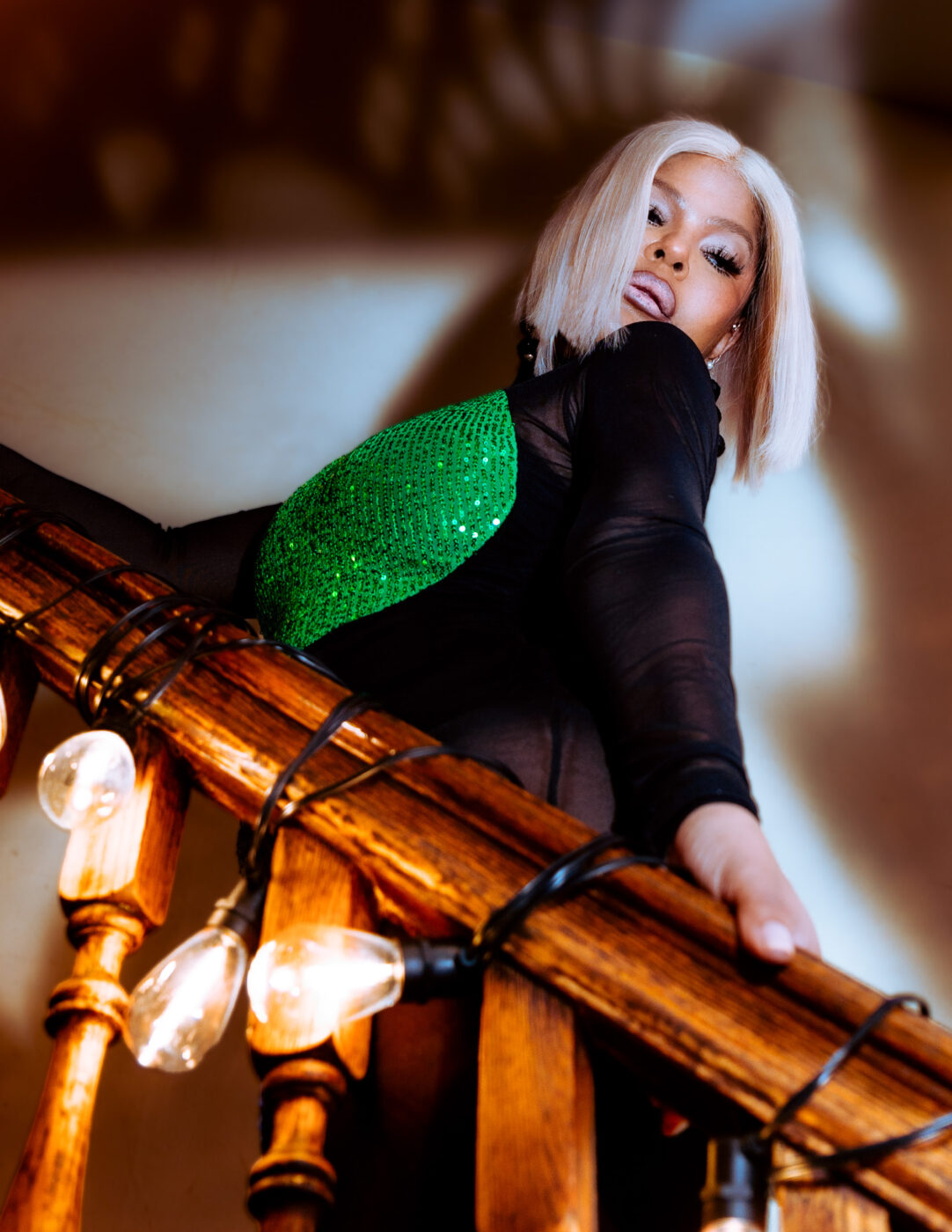
Misa Hylton • Photo: Dodanin Cruz.
When you look at your body of work thus far, what are your top three looks?
Questions like that, I ask: What do you think? Or what do people think? I don’t know. Does it matter? I think it’s how it’s received and most remembered that counts. I focus on longevity. When you look at the scope of my work from fashion stylist to consultant, to having a fashion styling management company, to becoming a costume designer, to becoming a fashion editor, to becoming the founder of the Misa Hylton Fashion Academy, to becoming a Global Creative Partner at MCM… I focus more on these moments. And how I use each as a stepping stone into something new.
In terms of celebrity styling, you remain one of the first –if not the first– to become as much of a celebrity in your own right as your clients. But today the field is crowded. Do you ever long for the heyday?
No! People are having their moment, because it’s their moment –and rightfully so! But for me the work is my moment. I don’t have to be seen for something to be my moment.
That’s counter to how someone in your field operates today. Social media puts us all out front – and you were the original celebrity stylist on the front lines.
I never wanted to be out front. I got pushed out there. My most meaningful moments were behind the scenes. I don’t want to be out front and I don’t have to be. But I want to be credited for my work like any creative would. I’ve done television and film advertising, advertisement, editorial, personal styling, celebrity fashion, costume design and more. I’ve worked in every area.
I imagine you bring that breadth of experience to your Fashion Academy.
Those experiences were the seeds for me to launch, because not many people can say that they’ve had that full experience. I started Miss Hylton Fashion Academy as the sole teacher for the first seven years and I loved every second of it.
What’s most fulfilling about it?
I get to share my work and my experiences with others. And they can use that experience as a guiding light for themselves.
It’s a beautiful legacy you are building with students. Do you ever get tempted to pour that energy into building your image in the press, especially in light of recent headlines?
I’m not into building narratives. I’m into building systems and making a difference. Life is going to life and things are going to happen, but I want to maintain joy and happiness. And that comes to me in moments of creation, like when I’m building or when I’m mentoring. I love watching others step into their power. Those things energize me and I feel like they sustain me through the tough times.
How do you maintain that resilience, when controversy circles back again?
Resilience isn’t about pushing through and being a bulldozer through the rough times. It’s about knowing when to pause, knowing when I need to recalibrate and staying in alignment and coming back if I’m ever out of alignment. And it’s about truth. Truth is important to me and it’s not something I argue for. It’s something I live.
Discover more about Hylton and her work at: MHFA
All gowns by Douglas Says.
All shoes and accessories are subject’s own.